INDUSTRIAL PHOTOGRAPHY DUBAI
DUBAI INDUSTRIAL PHOTOGRAPHER
Manufacturing · Heavy industry · Logistics · Utilities · Plant and facility documentation
REFERENCES
Emirates Global Aluminium (EGA) | Total Energies | APAVE | MBK Abu Dhabi | Ittihad Investment
Photography Inside Working Facilities
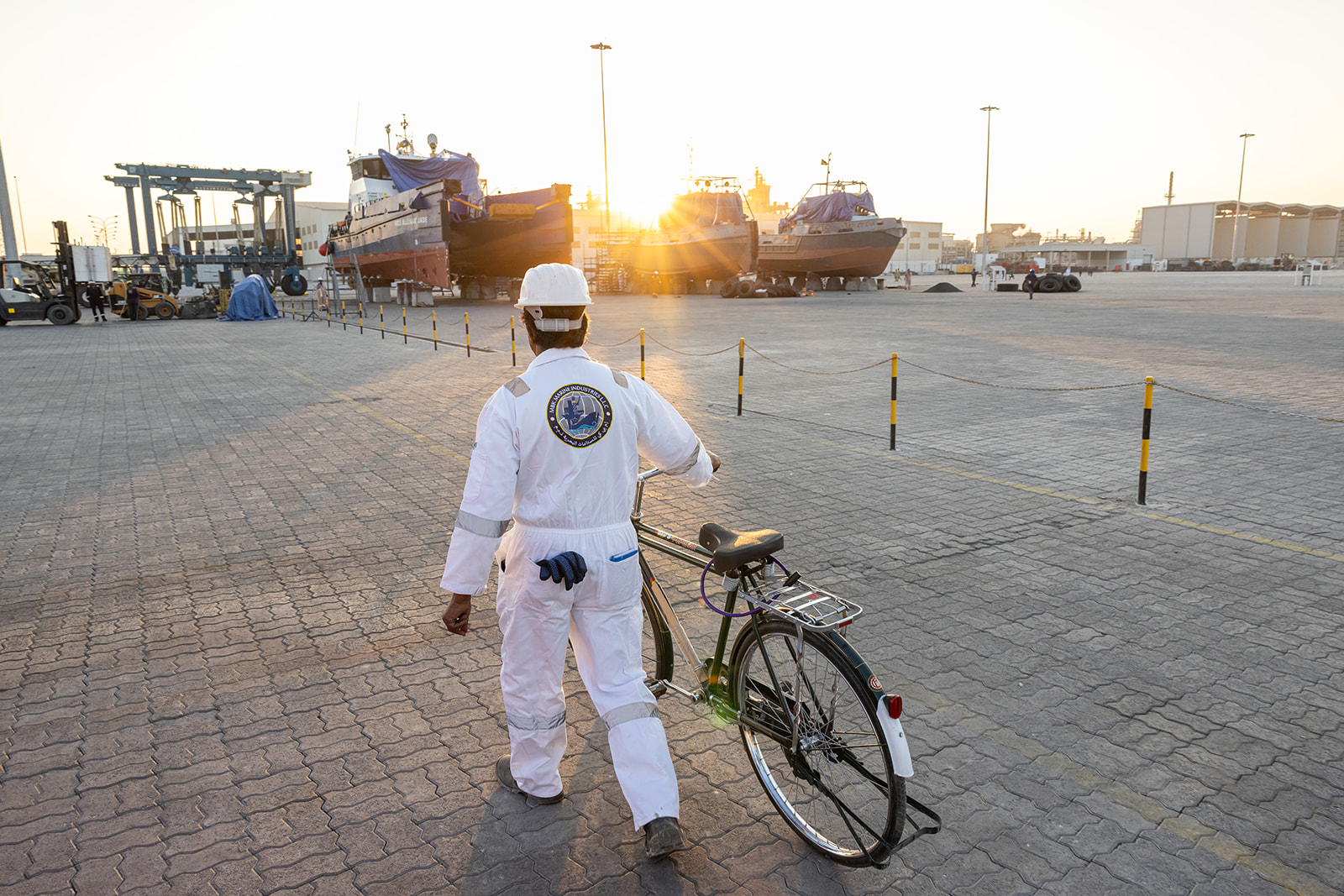
Industrial sites do not pause for photography. Production lines run to schedule, smelters operate continuously, warehouse floors have forklift traffic and designated walkways, and every visitor moves under escort within a permit system. Working inside that constraint — rather than asking for it to be relaxed — is what distinguishes industrial photography from a studio or event assignment. The imagery has to be produced around the operation, at whatever hour the operation happens to look its best.
What Gets Documented
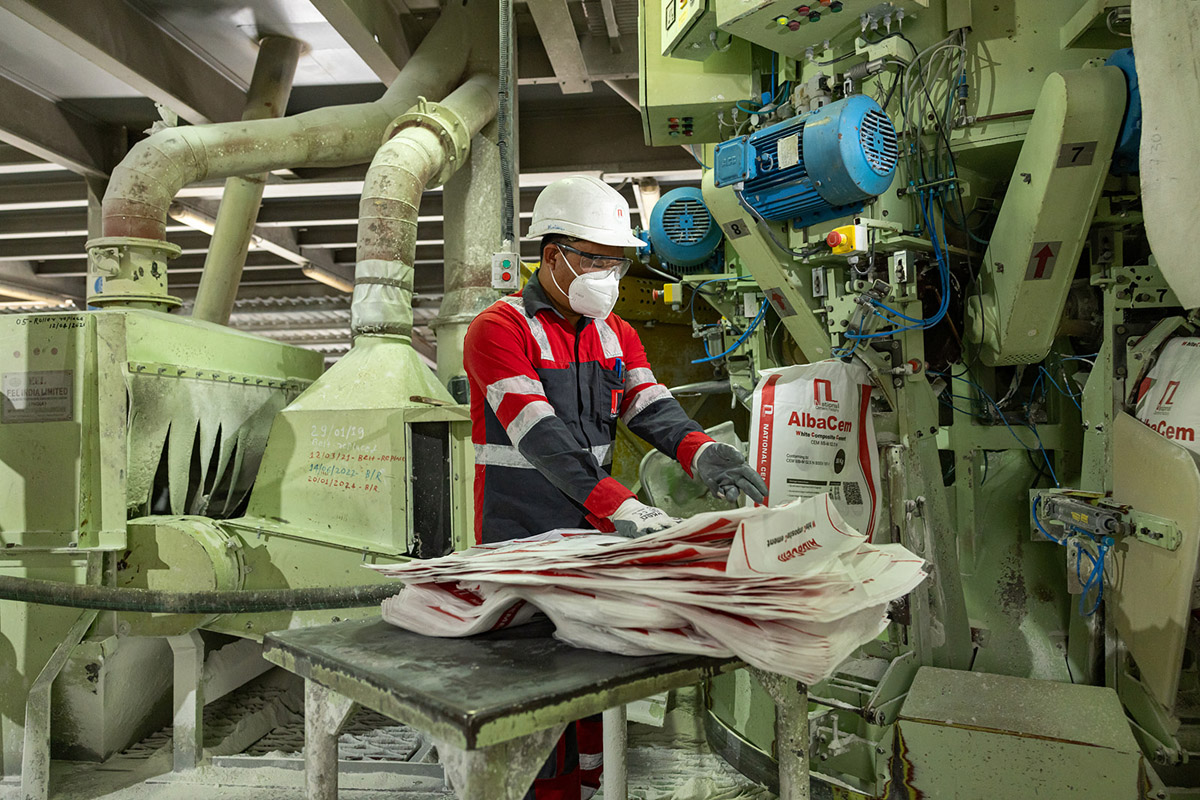
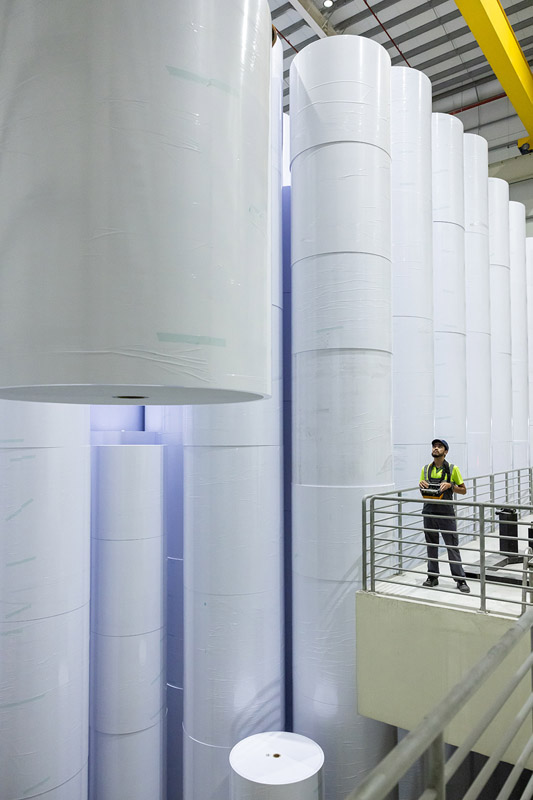
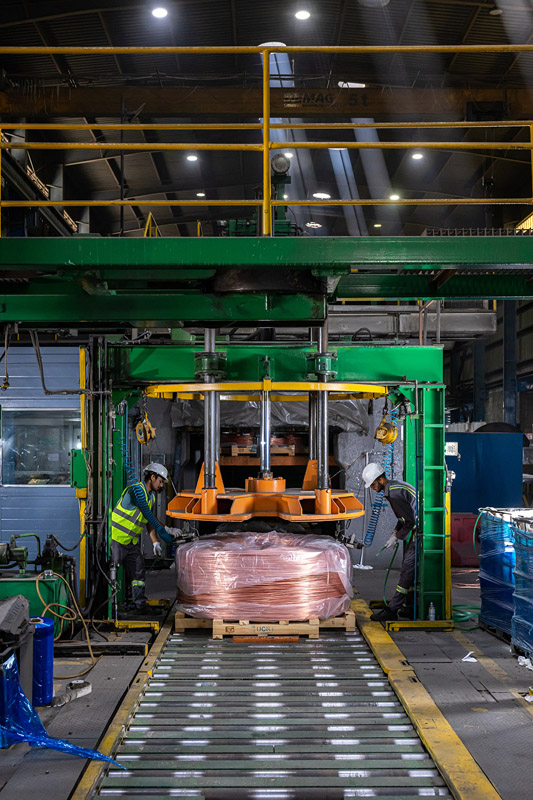
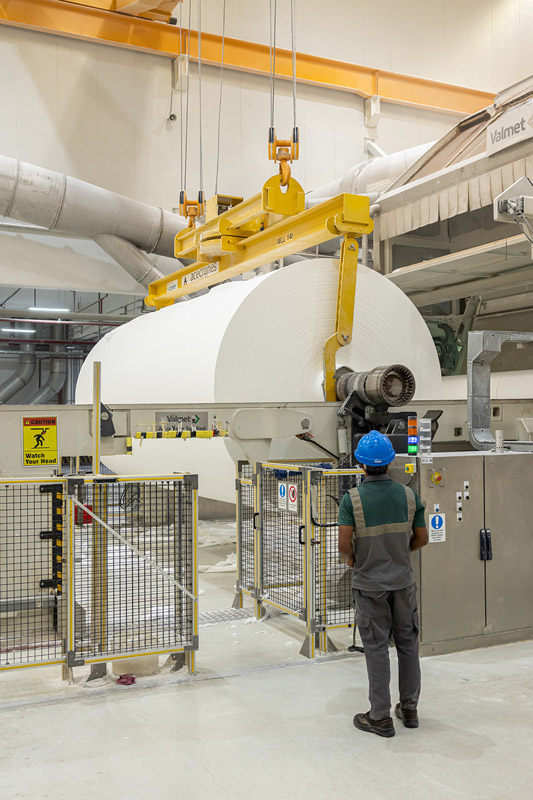
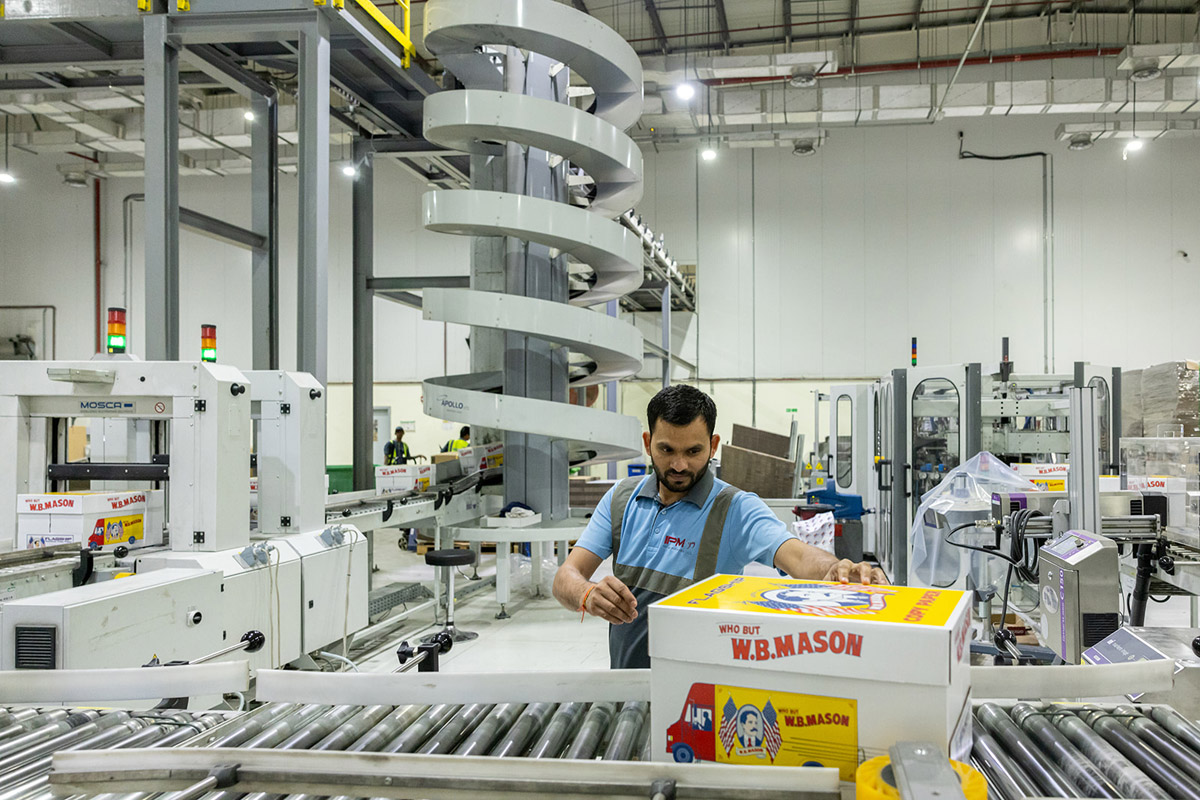
Manufacturing and production lines — Assembly, automation, quality control, and packaging operations, shot to show process and scale rather than isolated machinery.
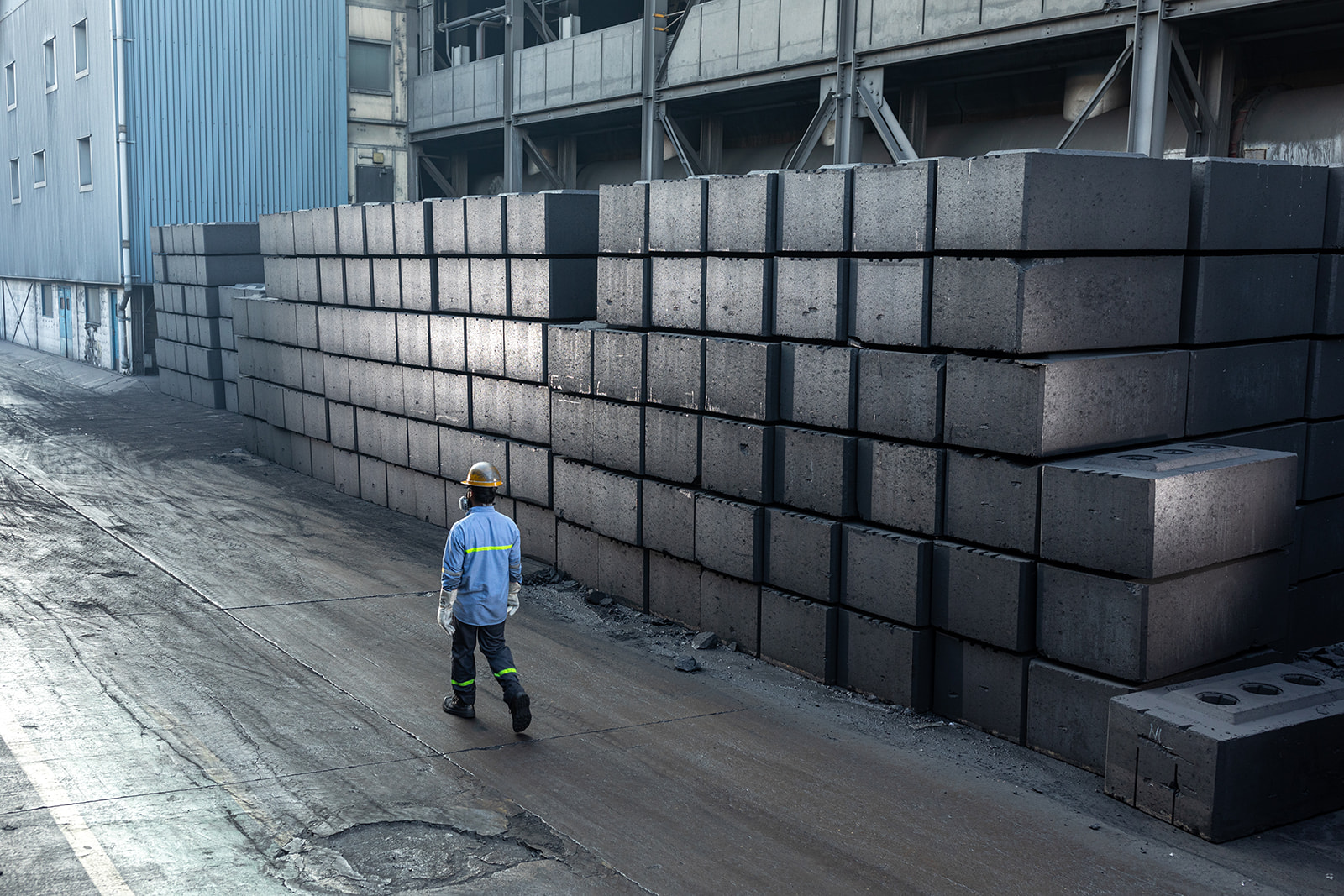
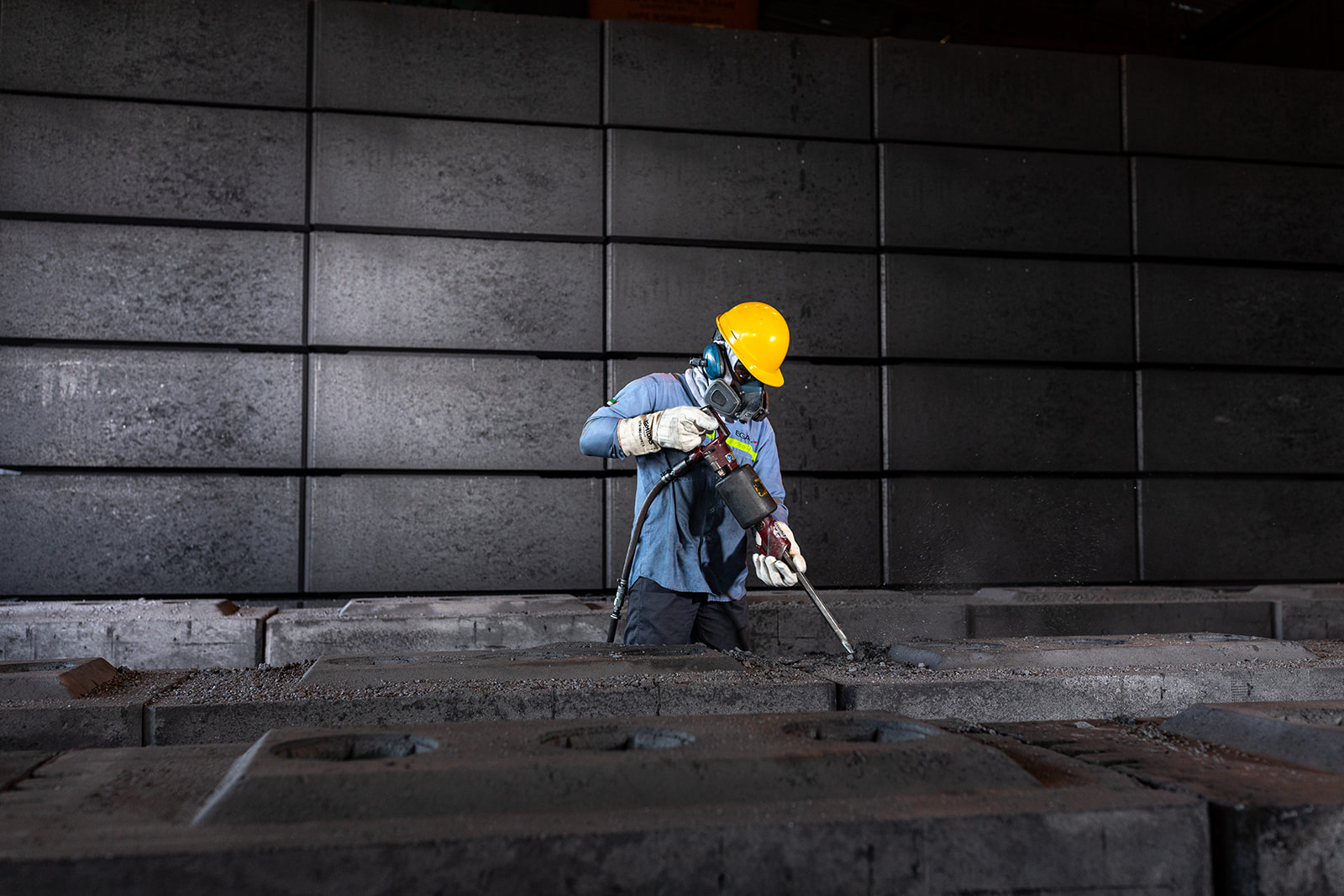
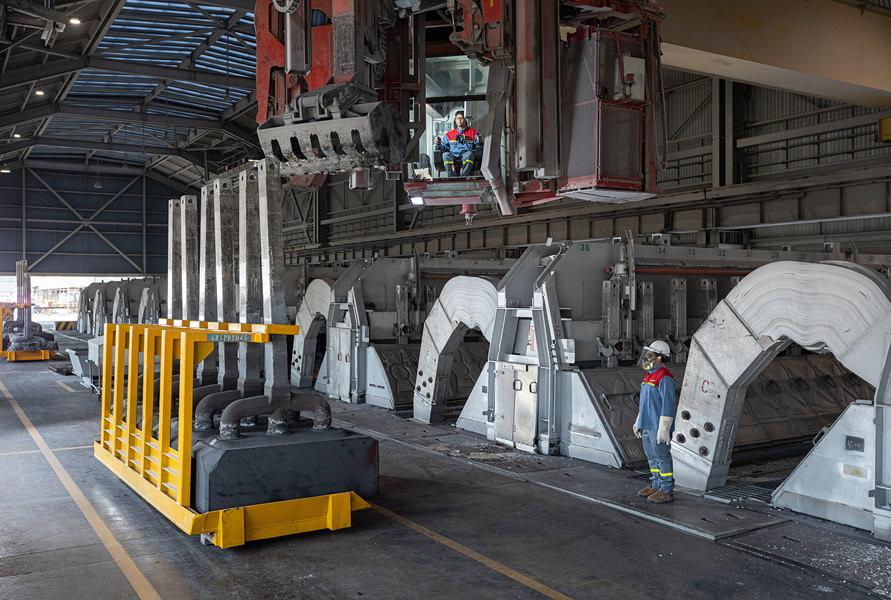
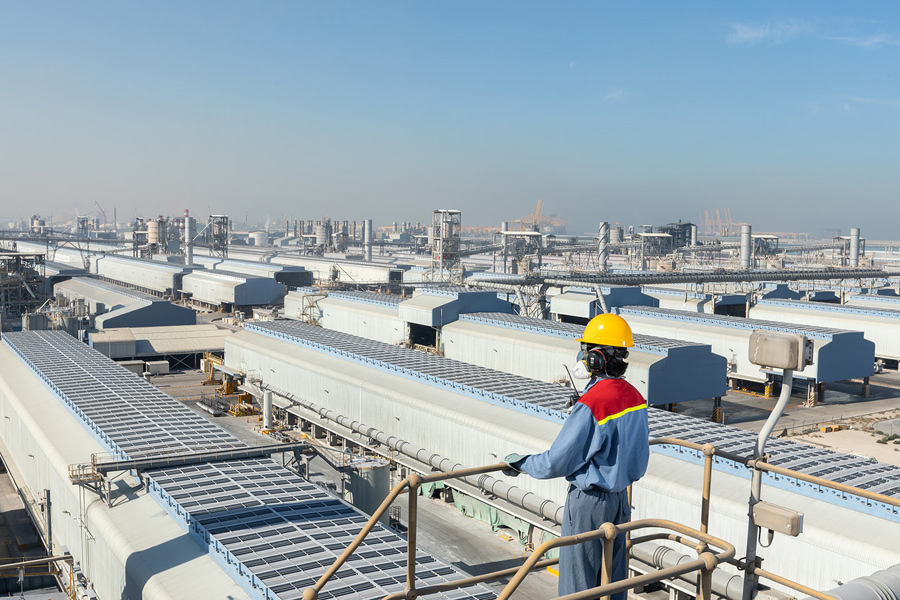
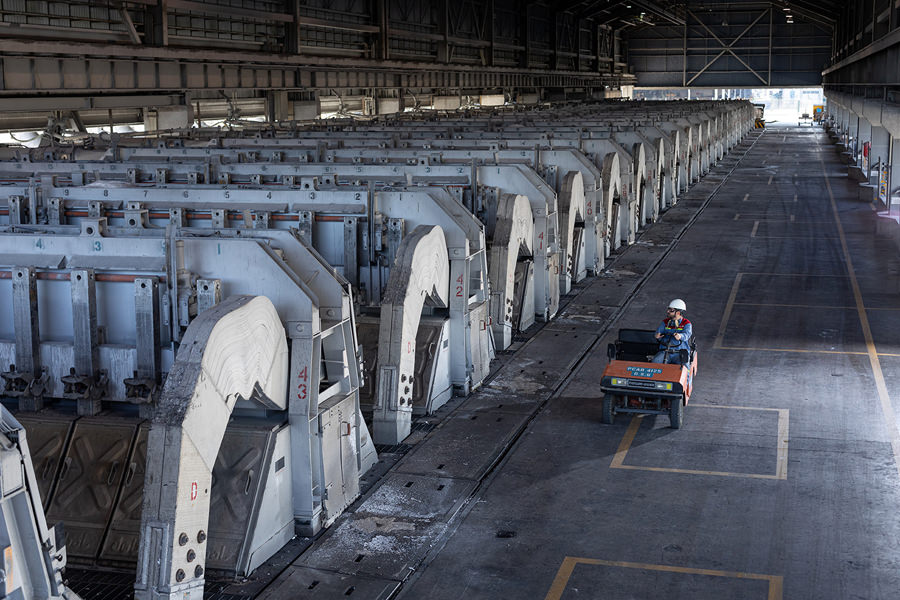
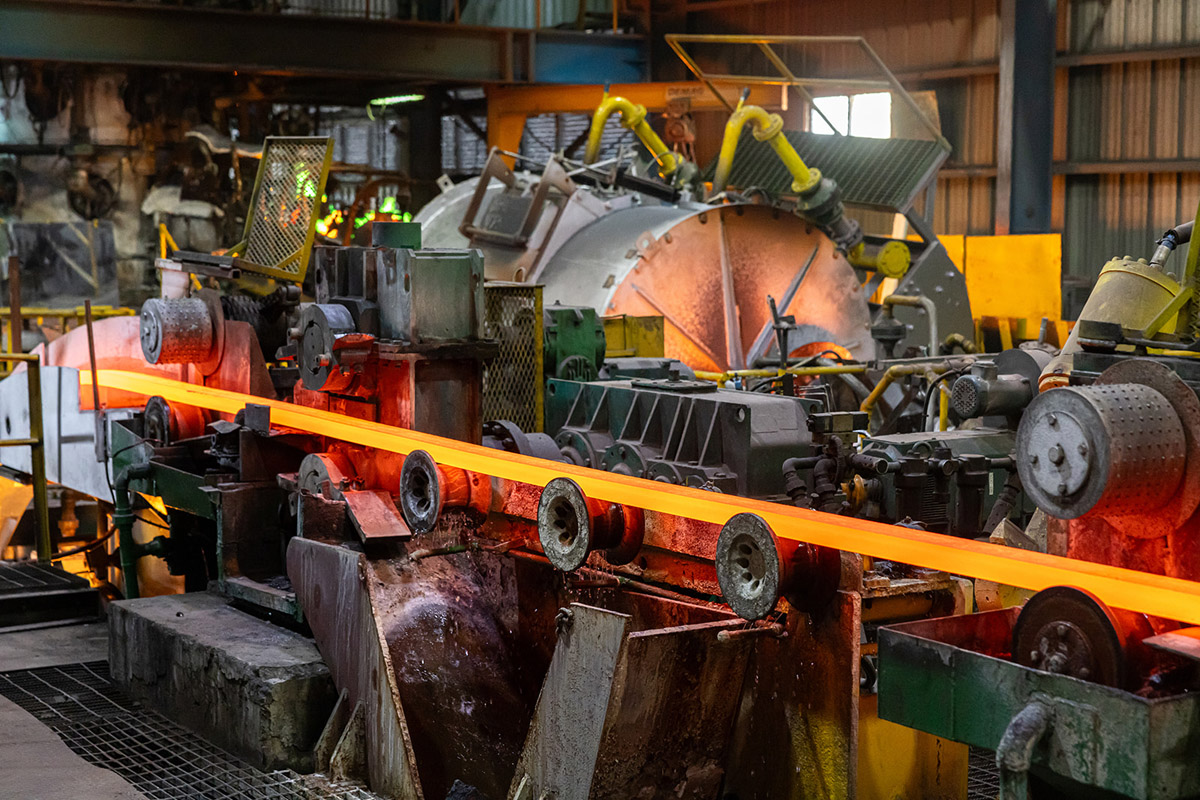
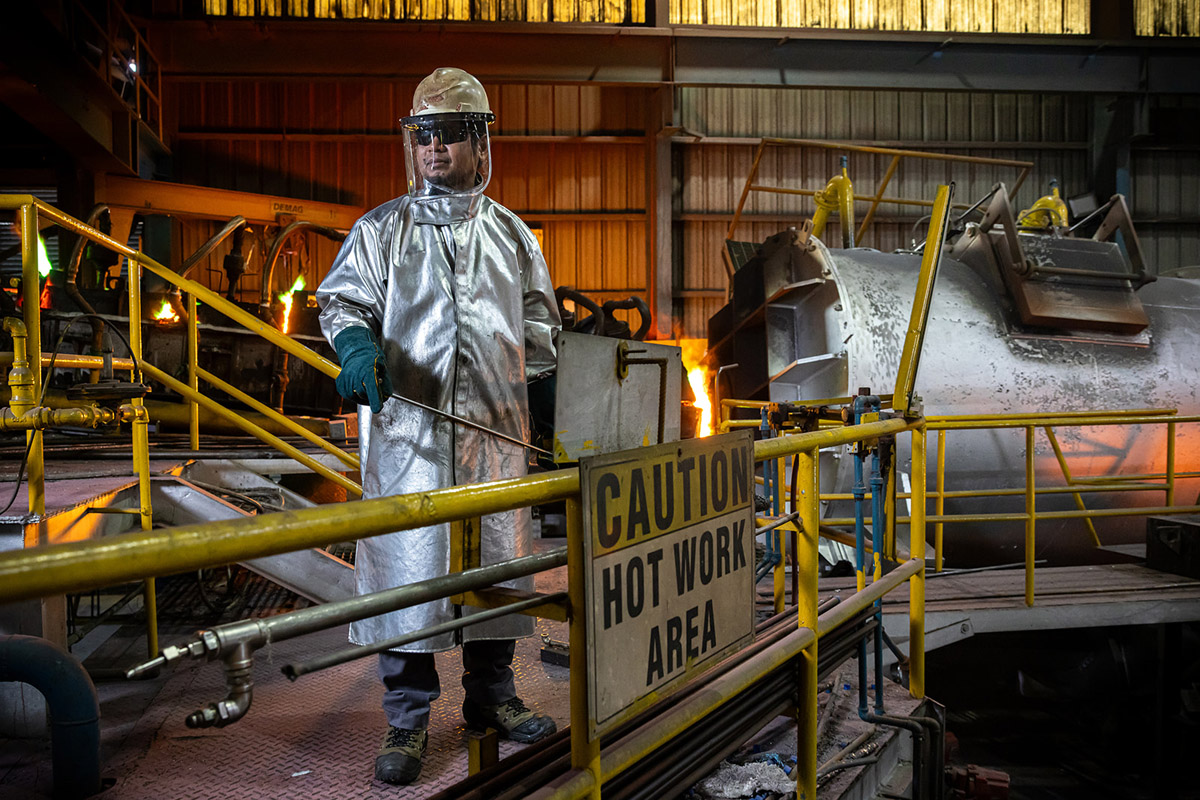
Heavy industry — Smelting, metals, and processing operations. Aluminium production in particular offers imagery — molten metal, pot lines, extreme ambient heat — that requires specific technical handling and produces some of the strongest visuals in the sector.
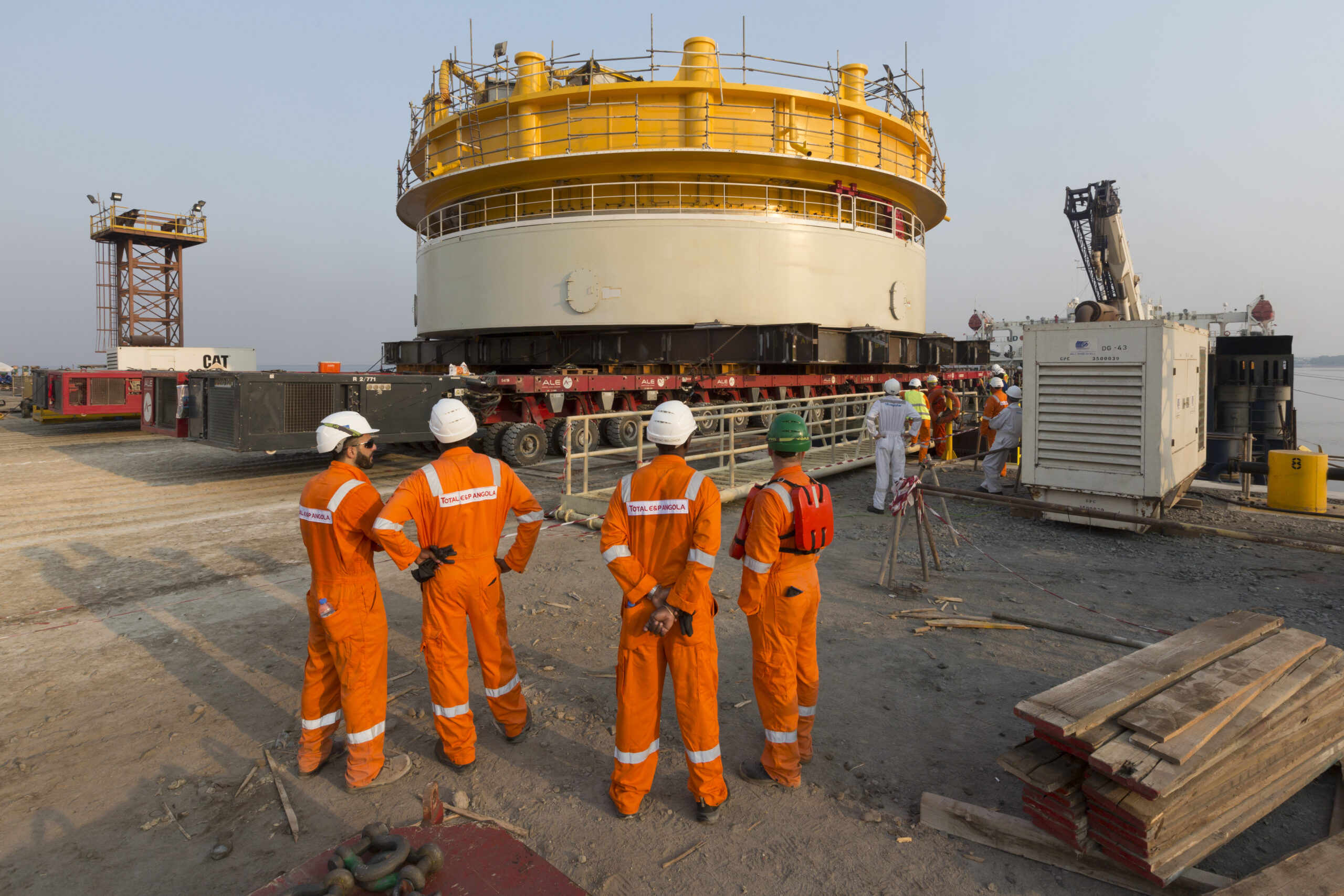
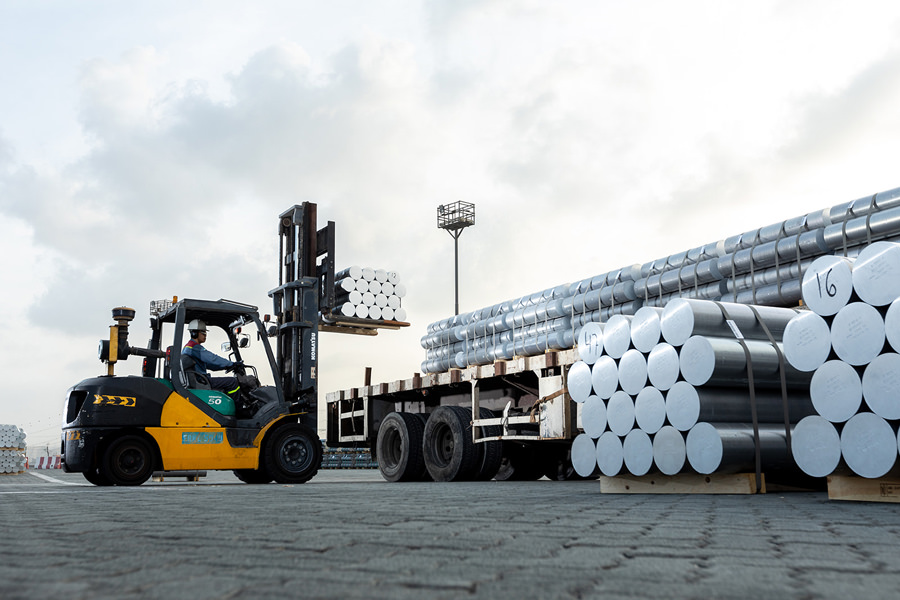
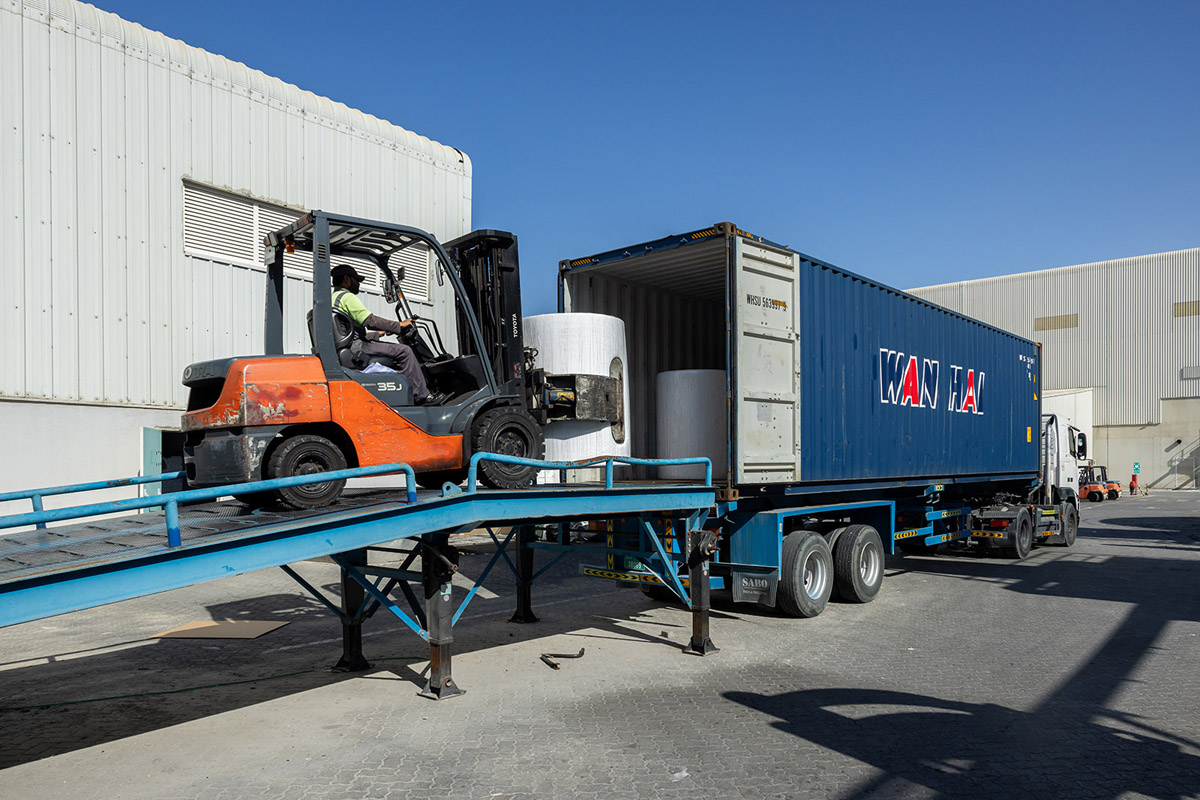
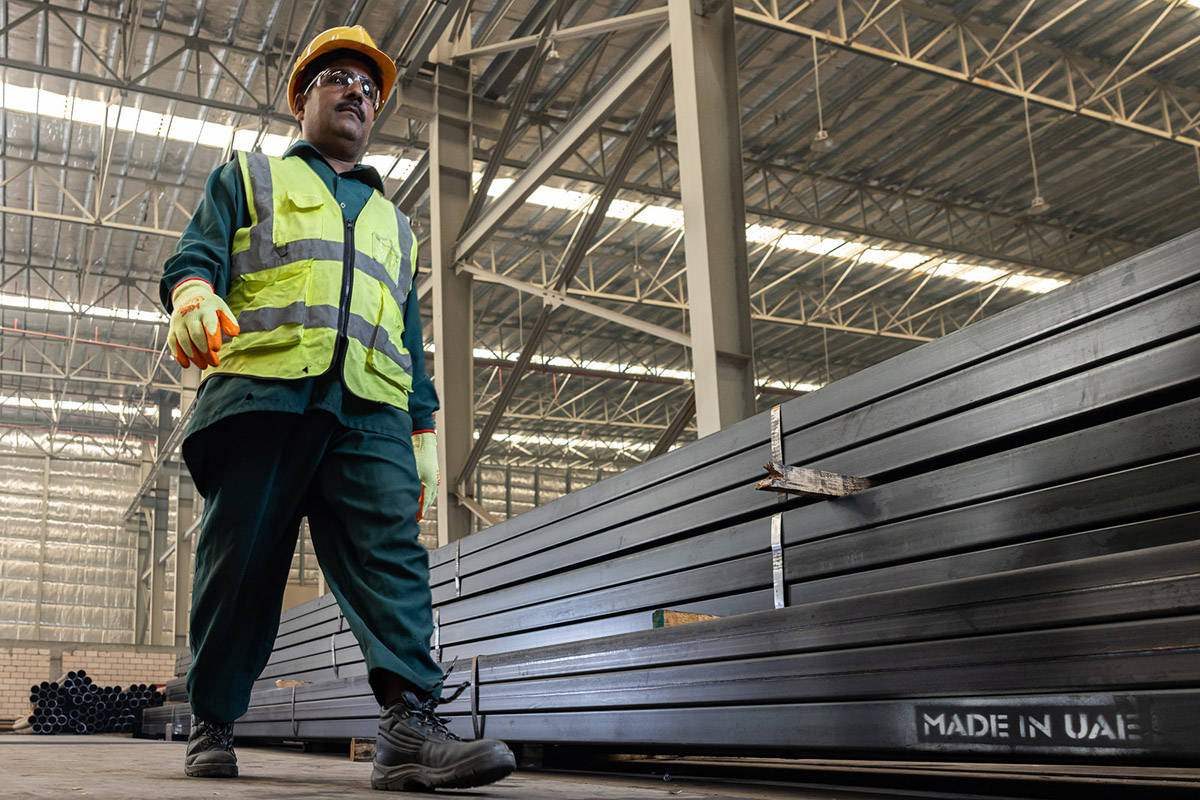
Logistics and warehousing — Distribution centres, ports, cold chain, and automated storage systems, including the scale that wide-angle and elevated positions convey.
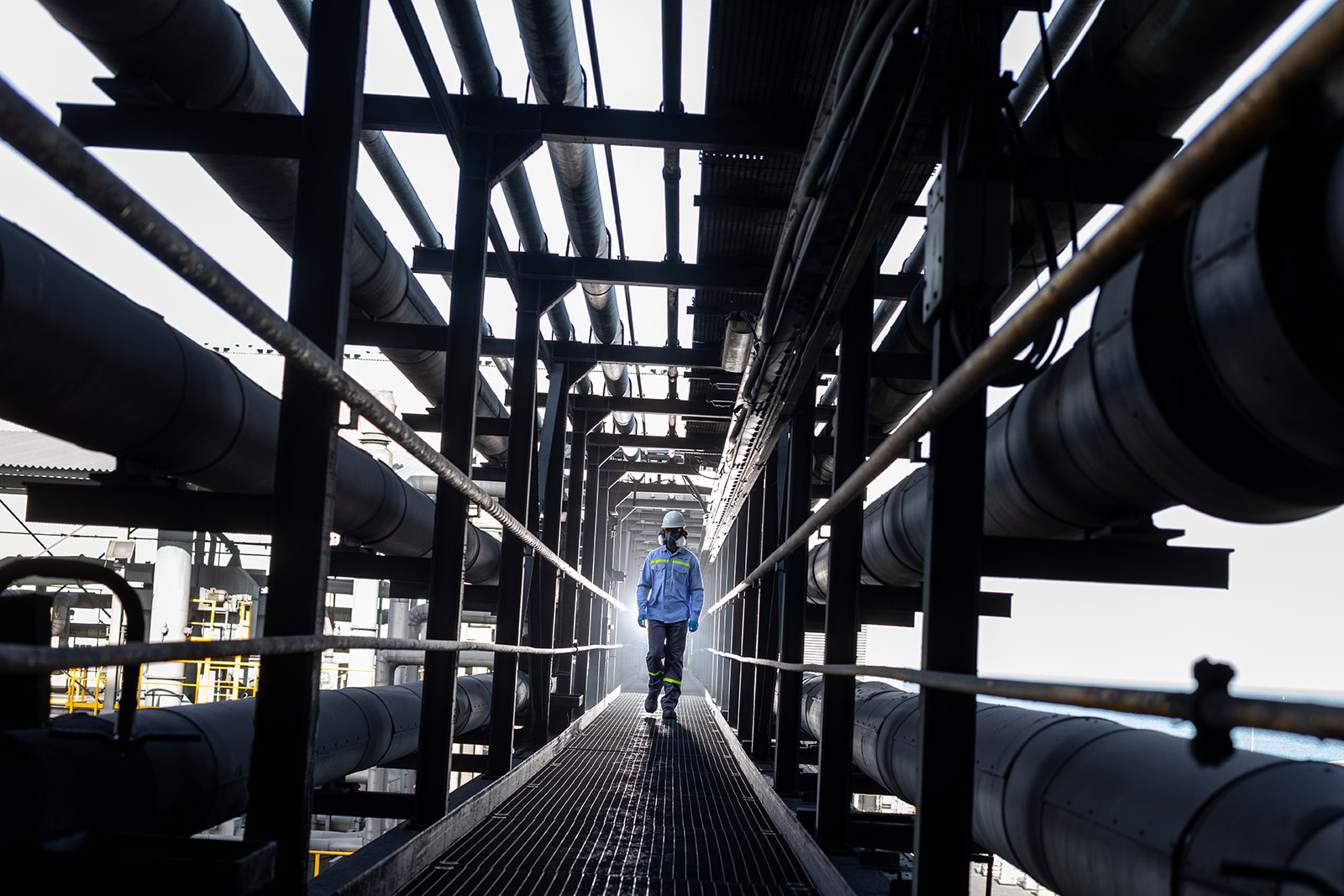
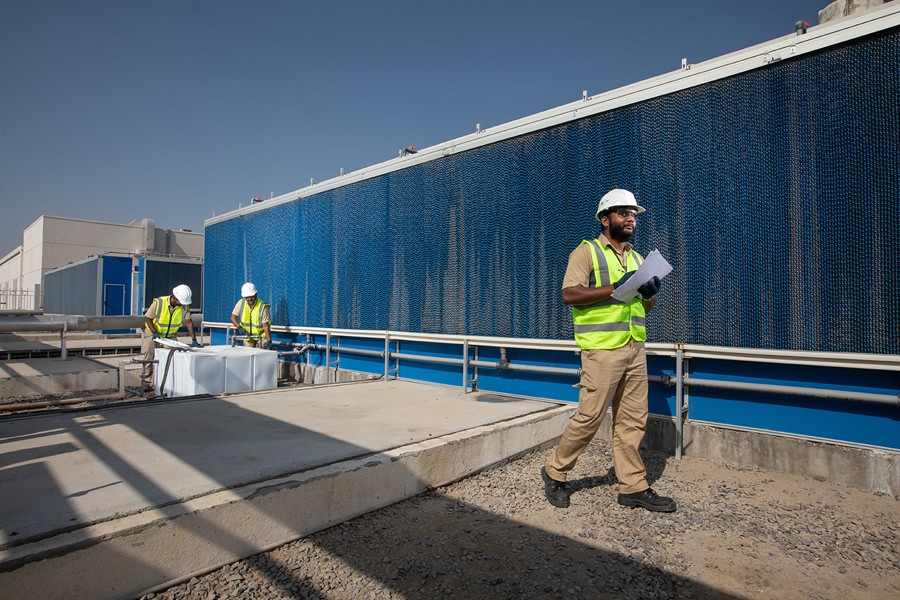
Utilities and plant infrastructure — Power generation, water treatment, and district cooling facilities.
Inspection and certification work — Technical documentation supporting compliance, audit, and certification processes, where accuracy matters more than composition.
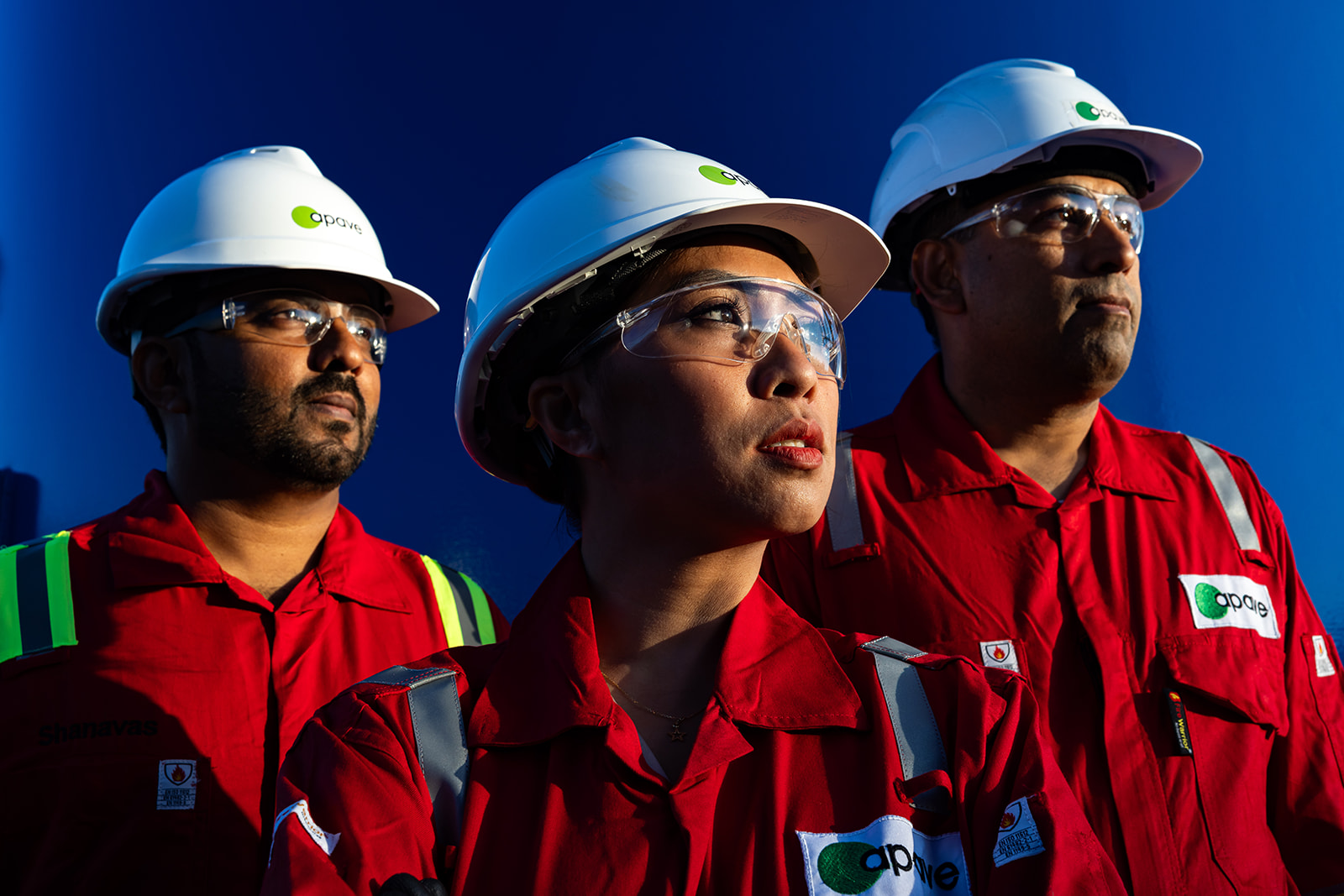
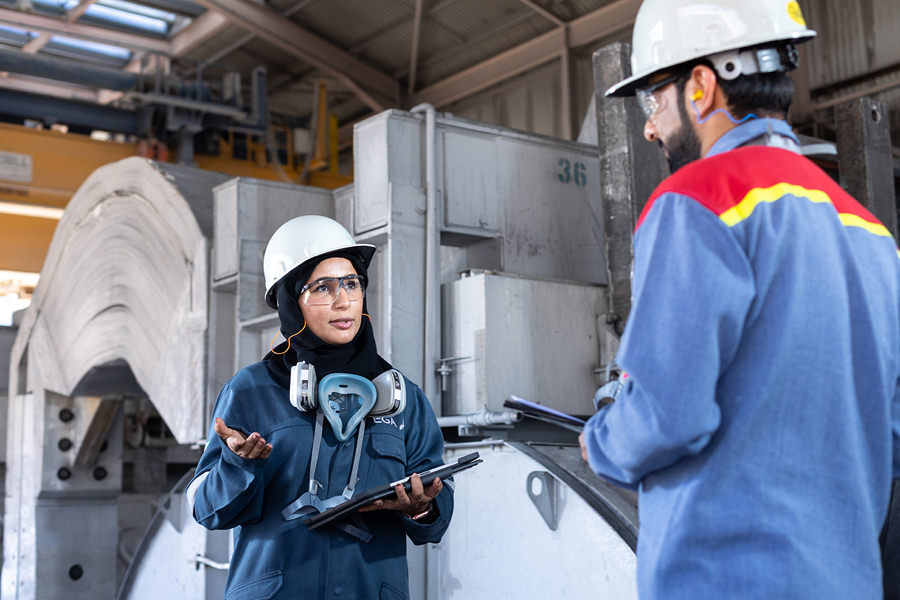
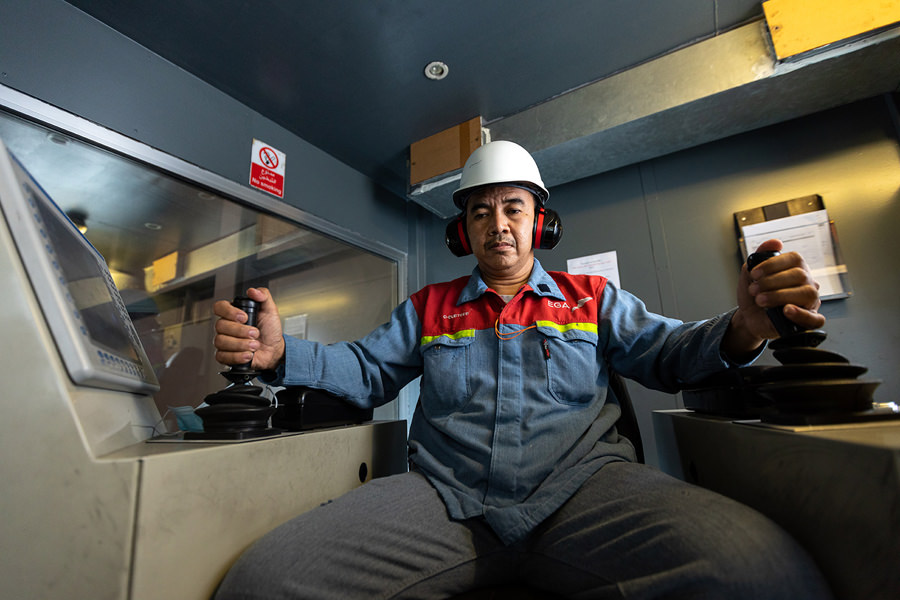
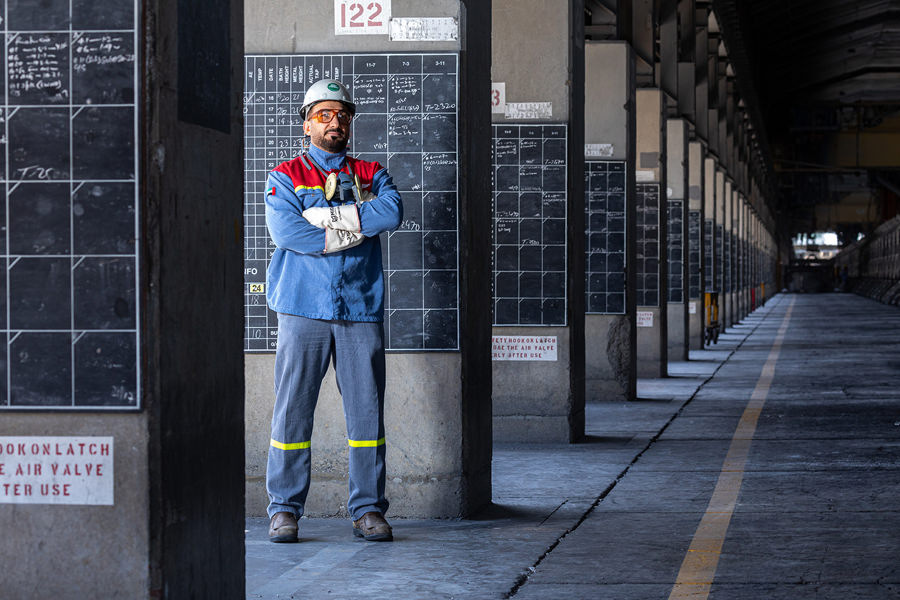
Workforce in operation — Technicians and operators at work in correct PPE. The human element that turns a facility record into a usable marketing asset.

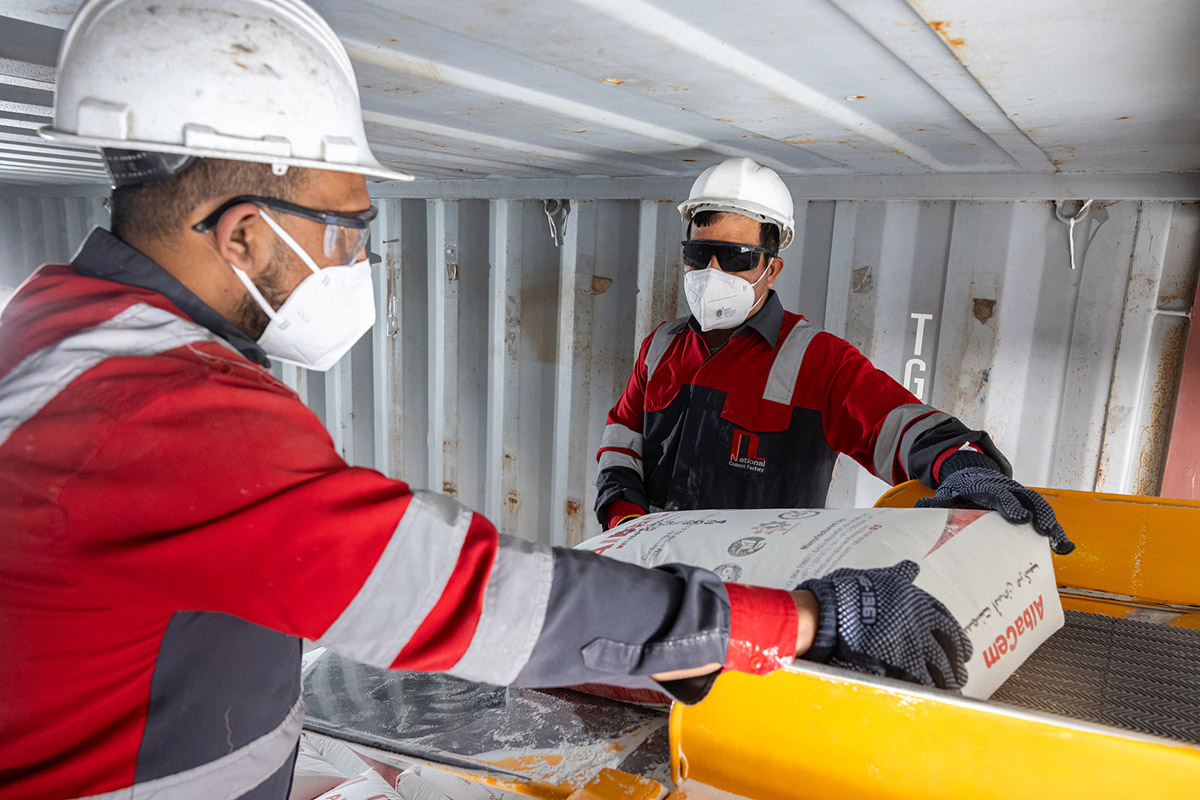
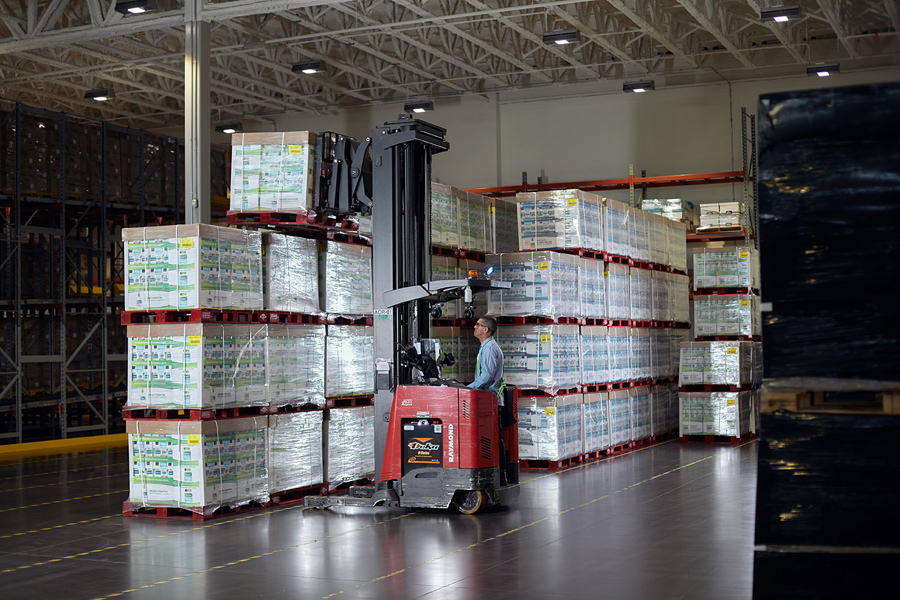
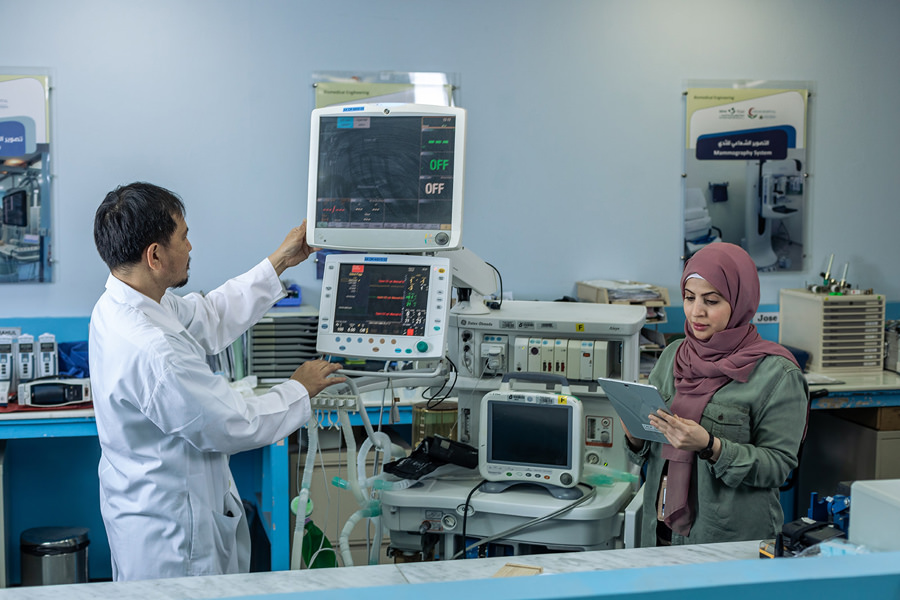
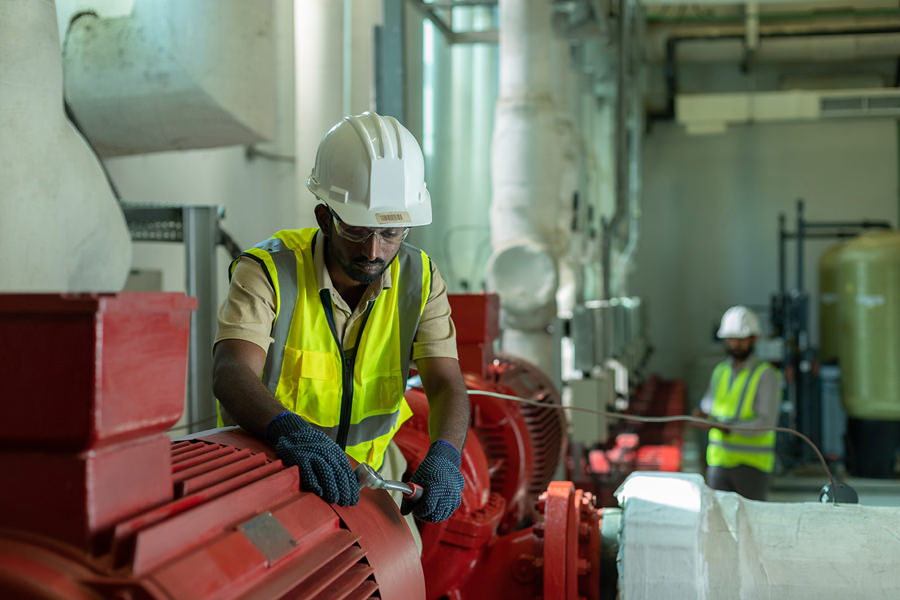
Working Conditions on Industrial Sites
Ambient conditions dictate equipment. Smelter environments involve radiant heat that affects both equipment and working time. Cold chain facilities cause condensation on lenses moving between zones. Neither is solved on the day; both are planned for.
Mixed lighting is the norm. Sodium vapour, LED, and daylight through roof panels frequently occur in the same frame. This is handled in camera because colour correction across mixed sources rarely survives print reproduction.
Movement cannot be staged. Overhead cranes, AGVs, and forklift traffic operate on their own cycles. Positioning is chosen around them, within marked pedestrian zones.
Clearances precede the shoot. HSE induction, permit-to-work, and site-specific safety briefing are completed before mobilisation. Sites that require medical certification or specific PPE are confirmed in advance.
Specialist Sectors
Several industrial sectors have distinct access requirements and separate coverage:
- Oil and gas photography — refineries, wellheads, and energy facilities.
- Offshore photography — platforms and vessels, BOSIET and STCW certified.
- Mining photography — extraction operations and mine sites.
- Construction photography — project progress and infrastructure development.
- Aviation photography — aircraft, hangars, and MRO facilities.
DISCUSS A SITE VISIT
Send the facility type, access requirements, and what the images need to support.

Email: chris.viseux@gmail.com
Tel +971 56 11 66 894