
OIL AND GAS PHOTOGRAPHY
ABU DHABI
OIL AND GAS PHOTOGRAPHER
IN ABU DHABI & DUBAI
Upstream · Downstream · BOSIET (Offshore) & STCW BST (Vessel) certified
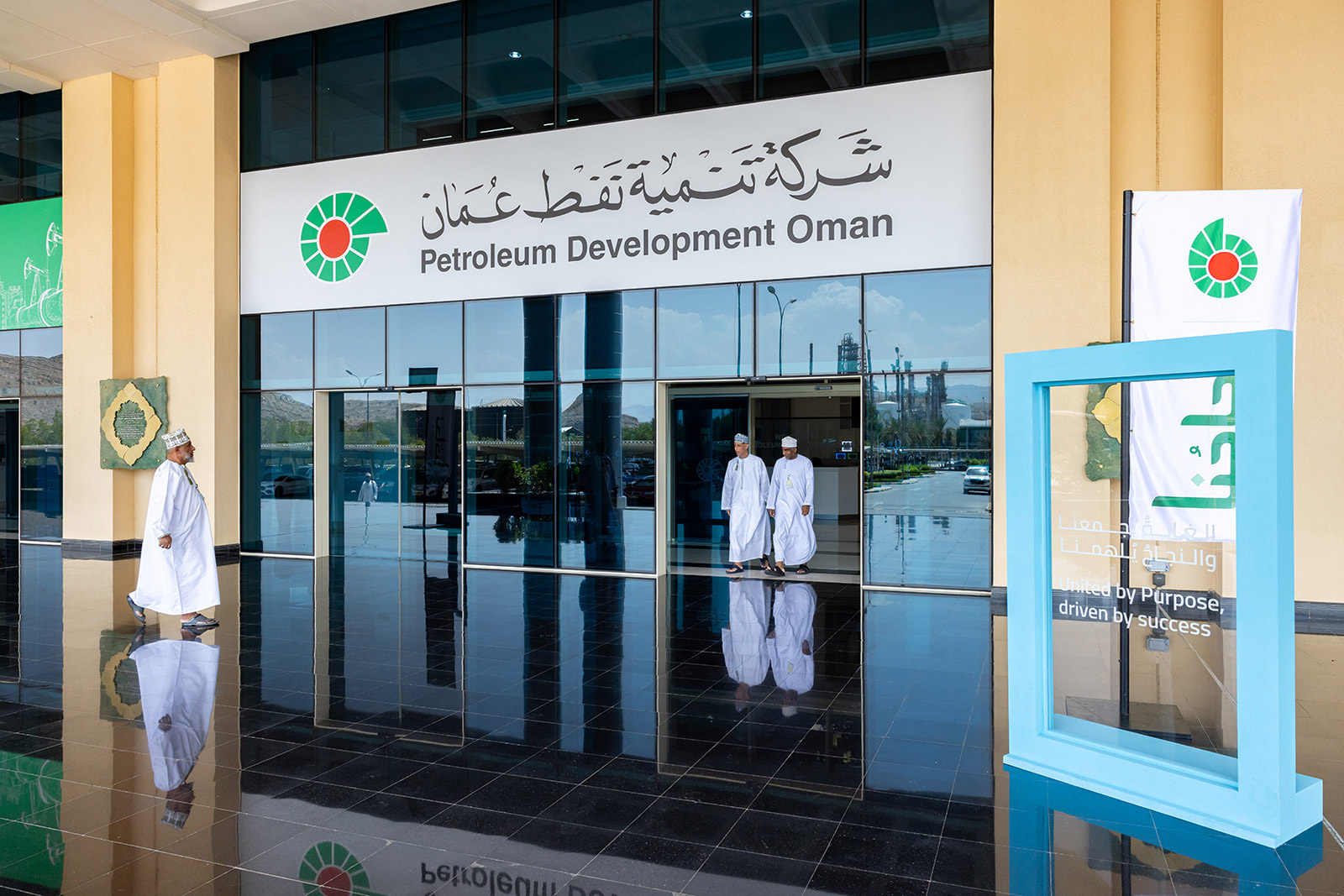
Christophe Viseux is an oil and gas photographer based in Dubai. He covers Abu Dhabi, the wider UAE and the Gulf. Clients include energy companies, offshore and onshore operators, and their communications teams. The images support annual reports, corporate communications and executive profiles. Assignments have also reached Turkey, Iraq and the Caspian.
REFERENCES
Petrofac | bp | Shell | TotalEnergies | Dana Gas | Dolphin Group | General Petroleum | Saudi Aramco
LOCATIONS HAVE INCLUDED
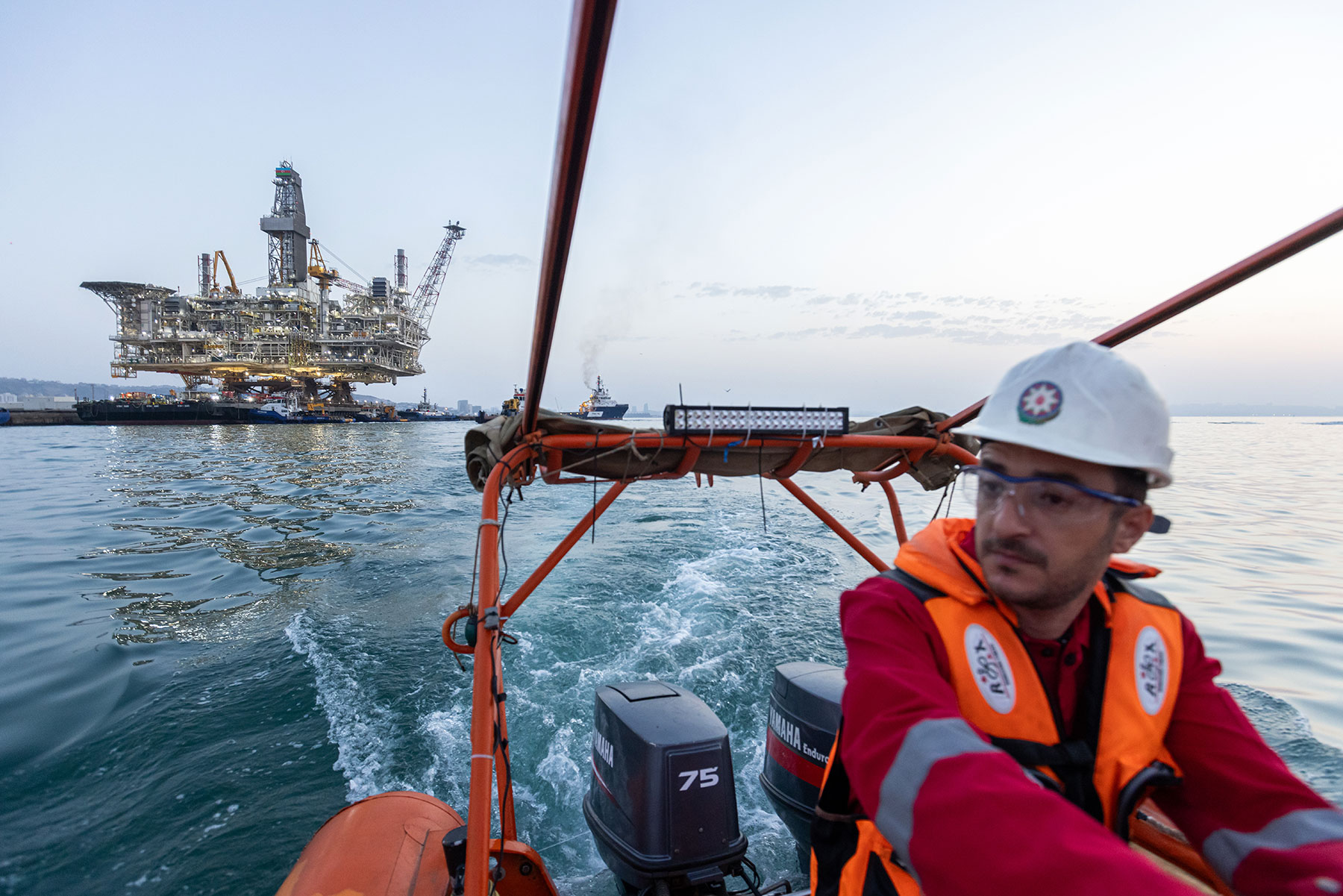
UAE, Oman, Kuwait, Saudi Arabia, Turkey, Iraq, and the Caspian (bp ACE, Azerbaijan)


Why does offshore certification matter?
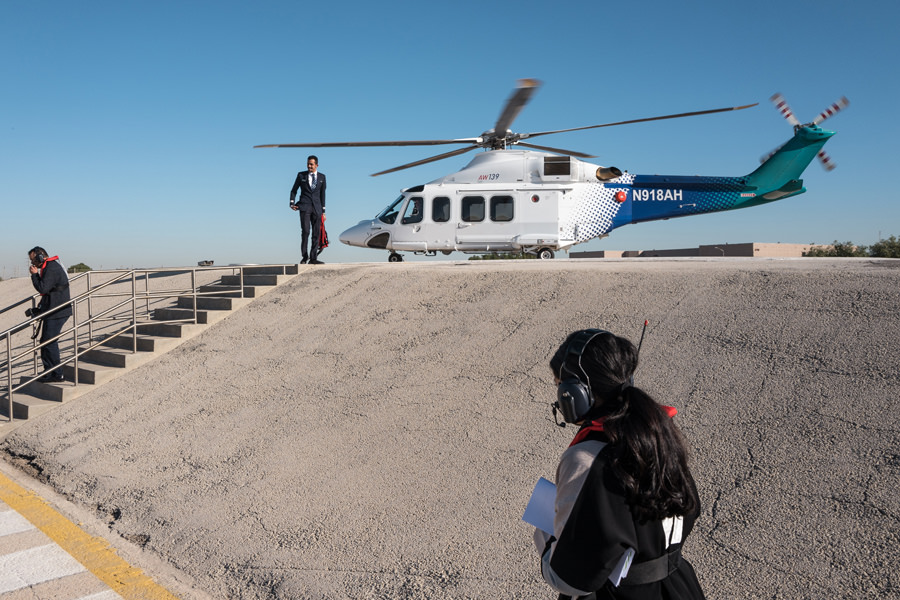
Most photographers cannot board an offshore platform. Helicopter transfer requires BOSIET certification. Vessel-based work also requires STCW Basic Safety Training. Without both, no operator will approve site access, whatever the portfolio. Christophe Viseux holds both, and both are current. As a result, offshore assignments run on the operator’s schedule, with no wait for an exemption that will never come.
What does oil and gas photography cover?
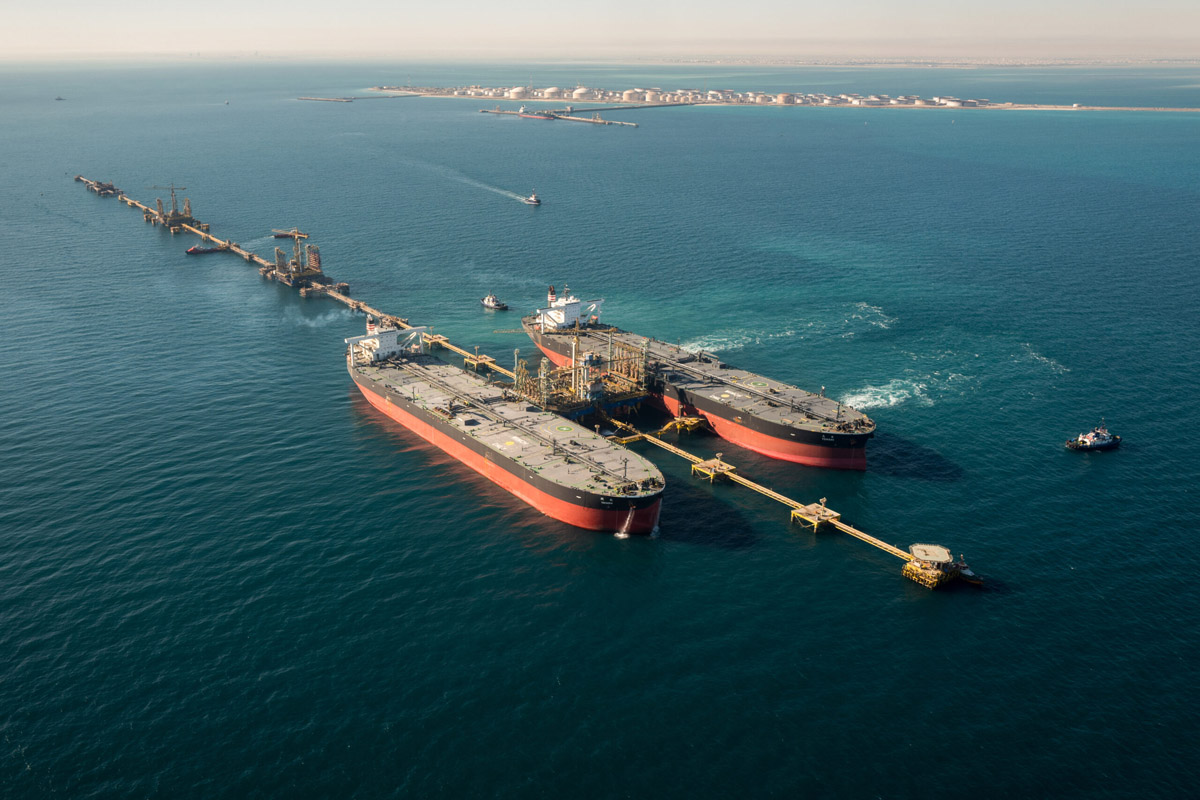
- Offshore platforms and installations — Production platforms, drilling rigs, jack-ups, and support vessels. Helicopter arrival, deck operations, and crew at work, shot within the operator’s permit-to-work system.
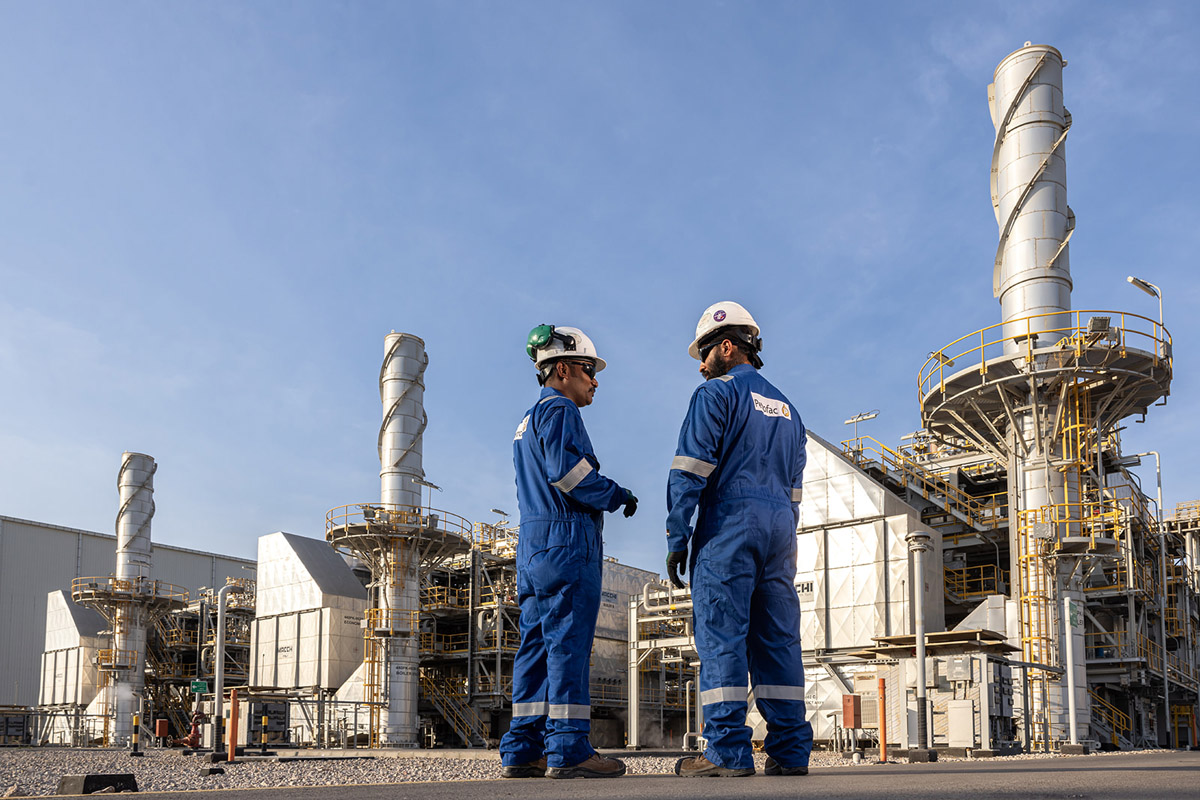
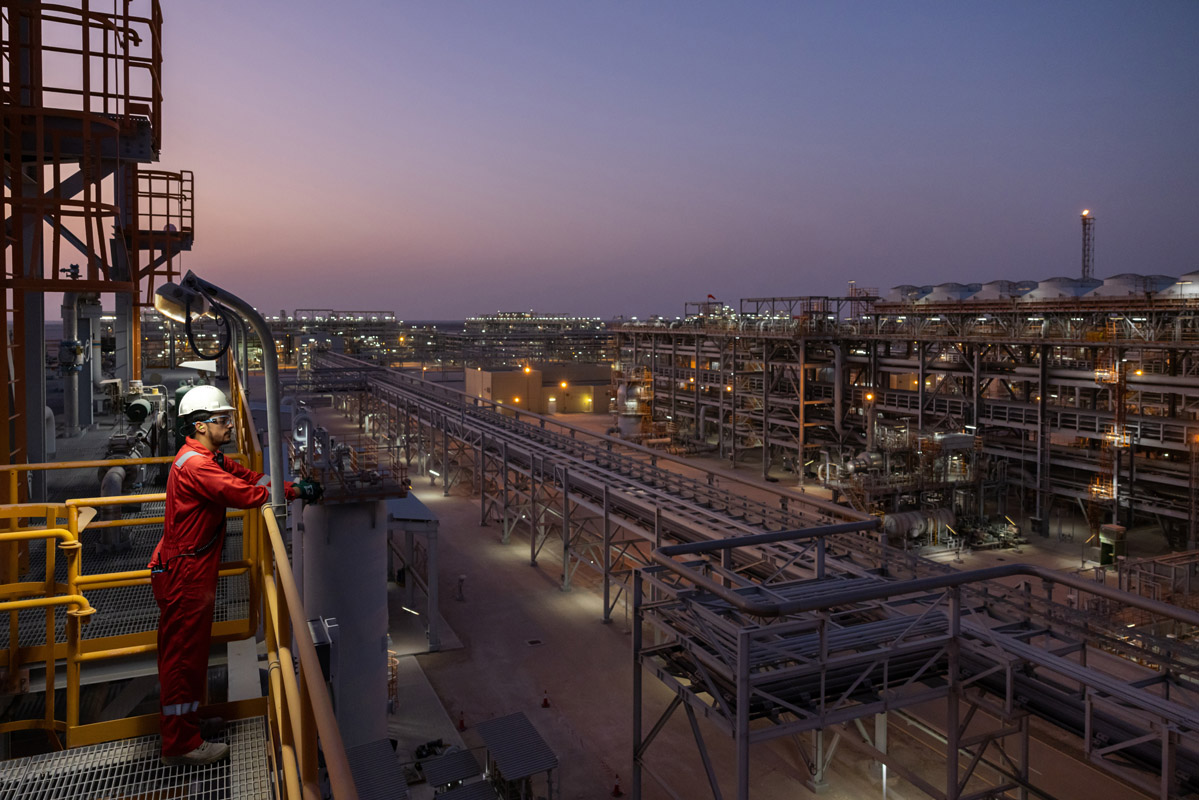
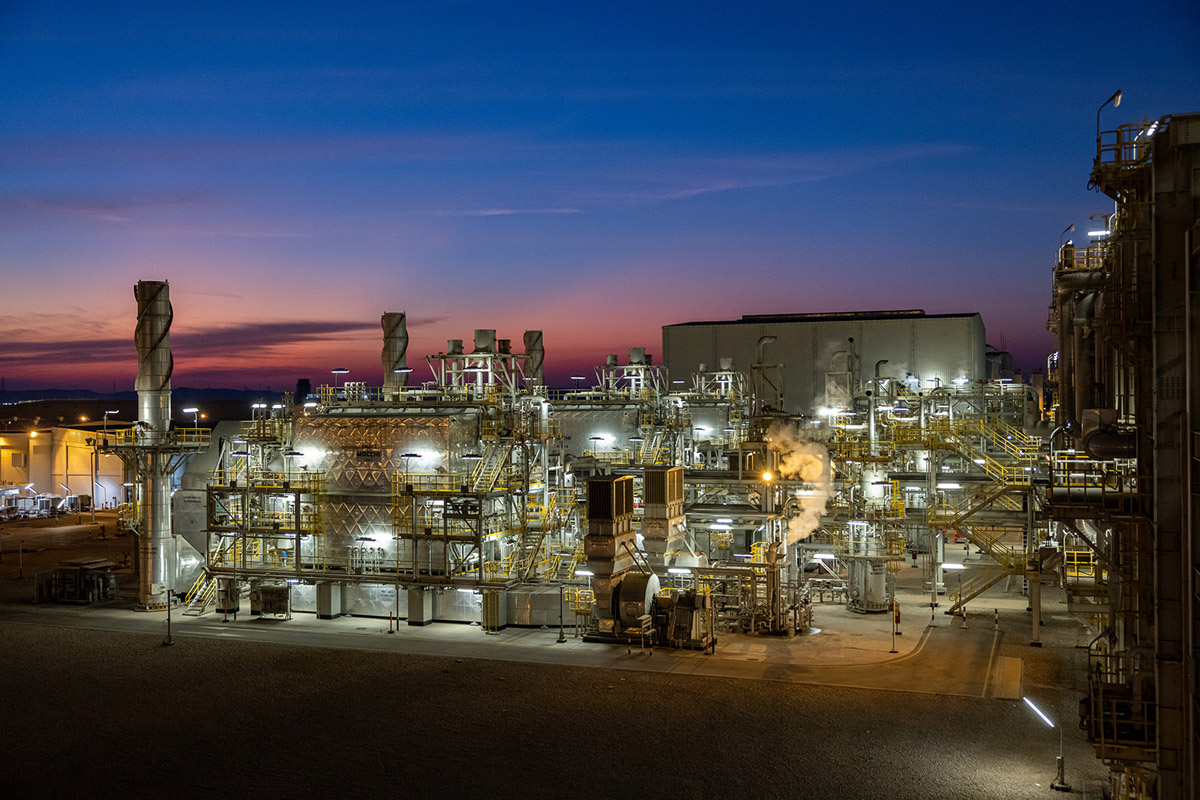
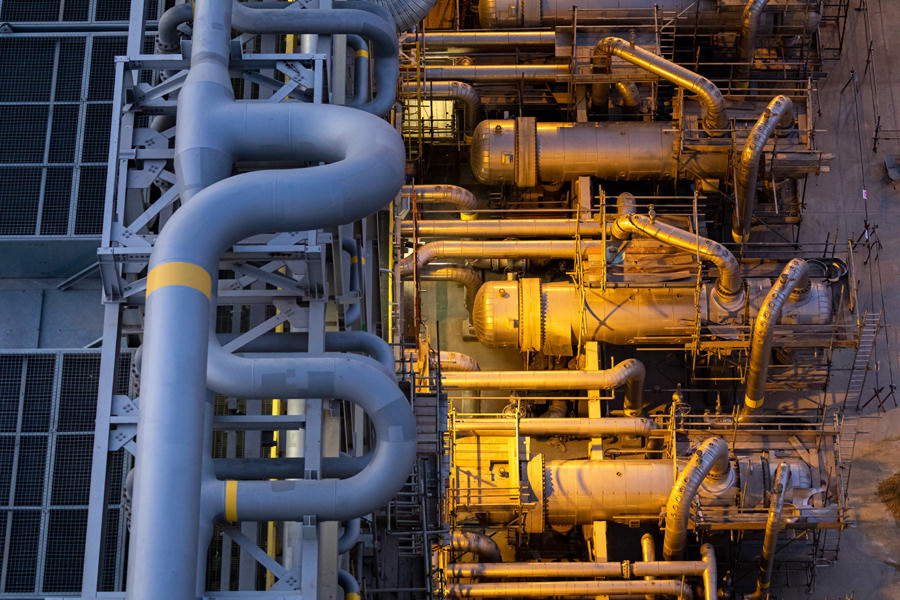
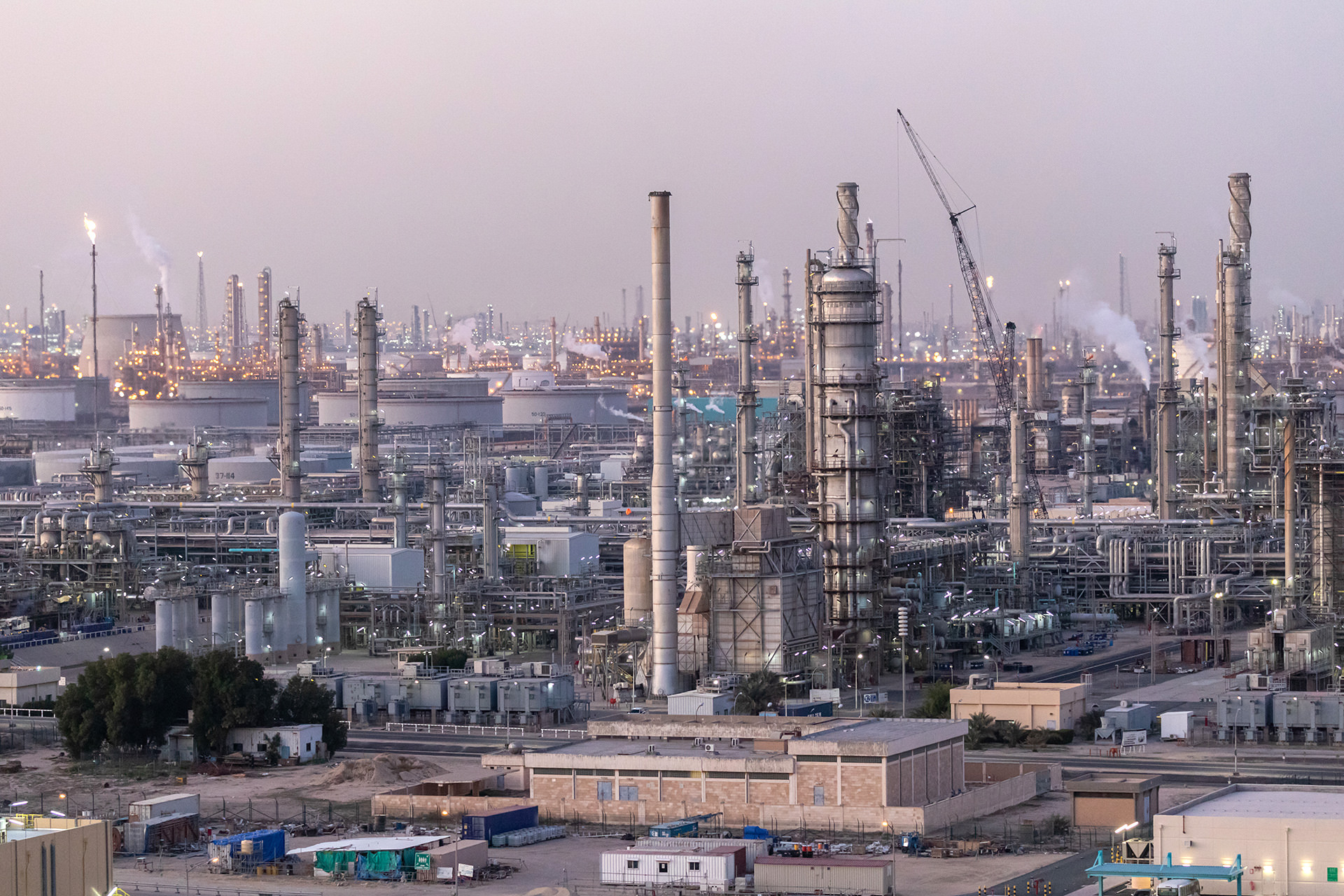
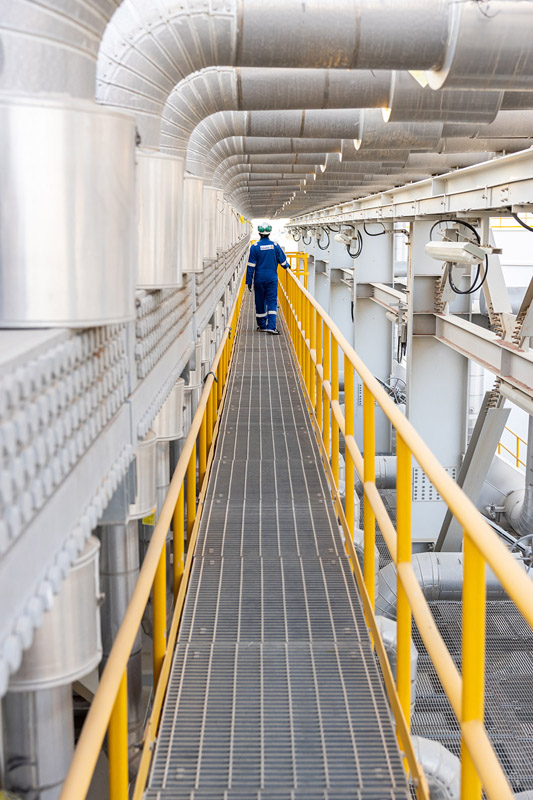
- Refineries and processing facilities — Downstream infrastructure at scale, including night operations where flare stacks and plant lighting produce the industry’s most recognisable imagery.
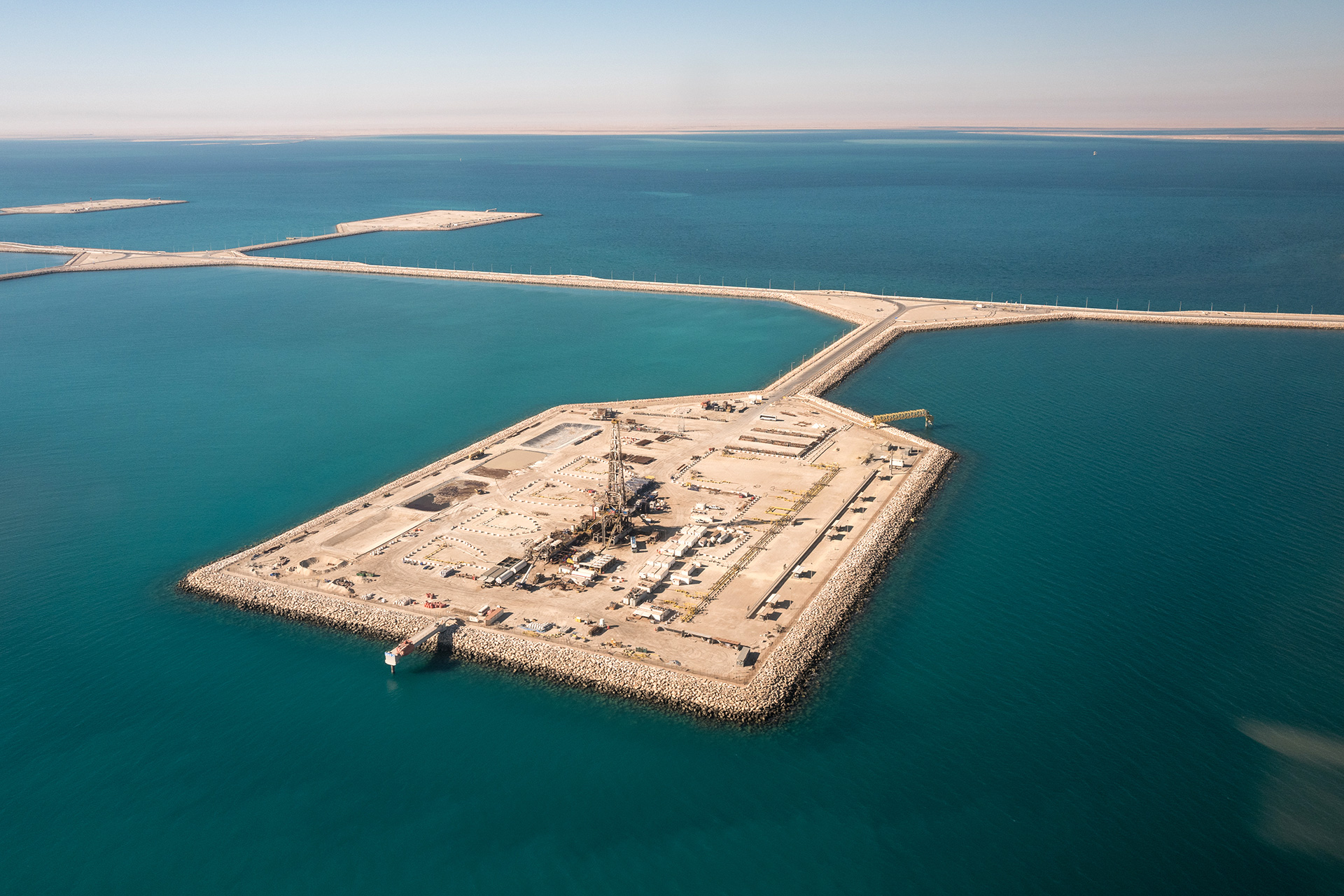
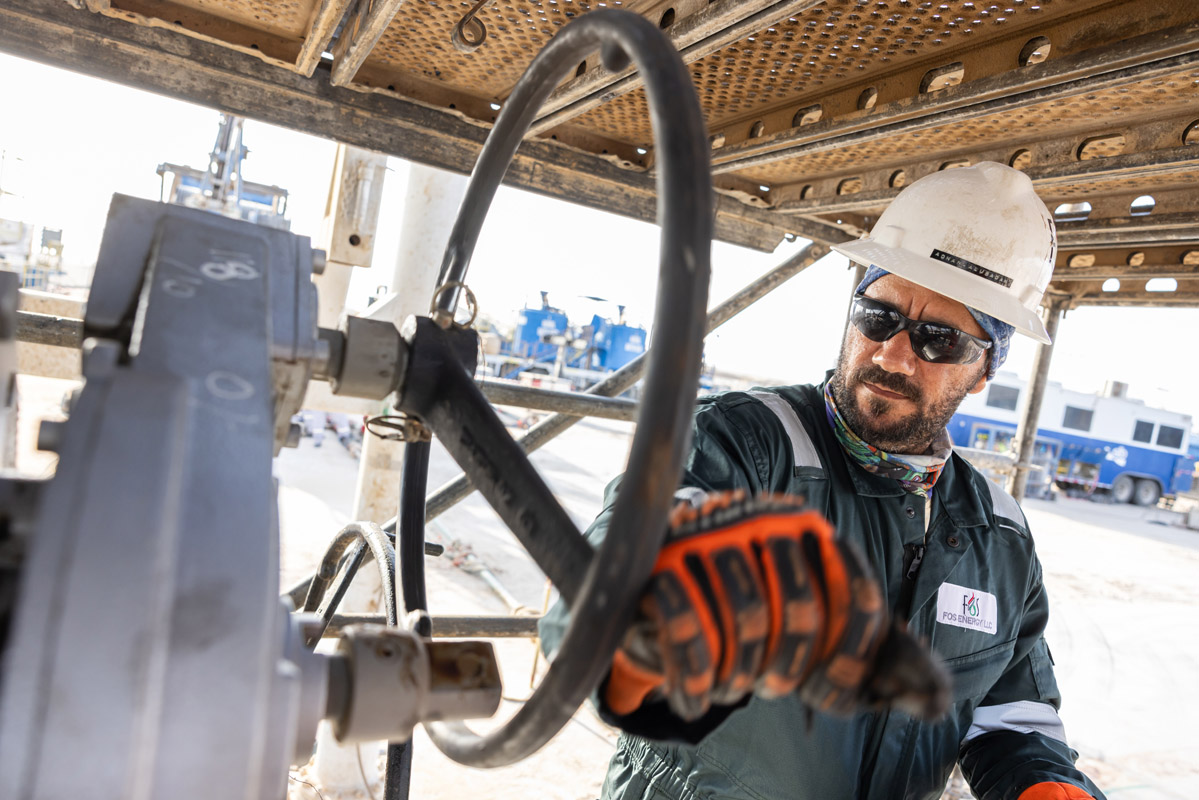
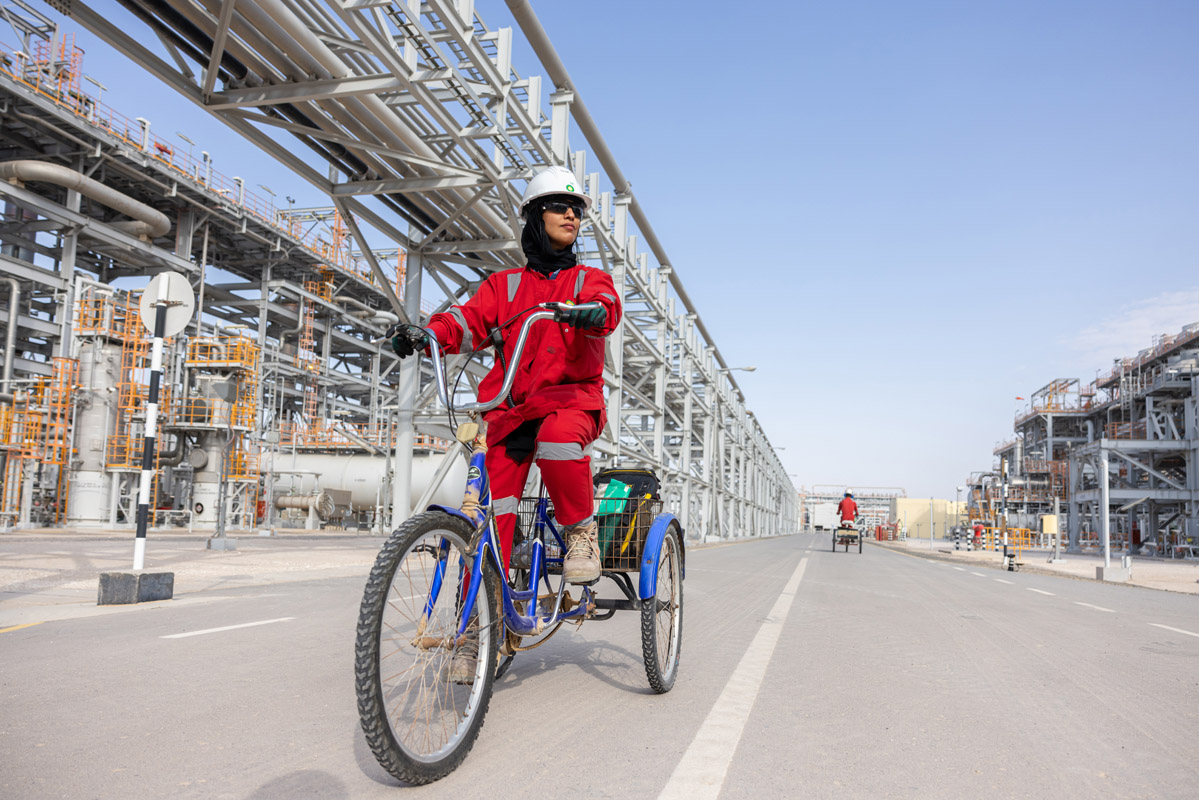
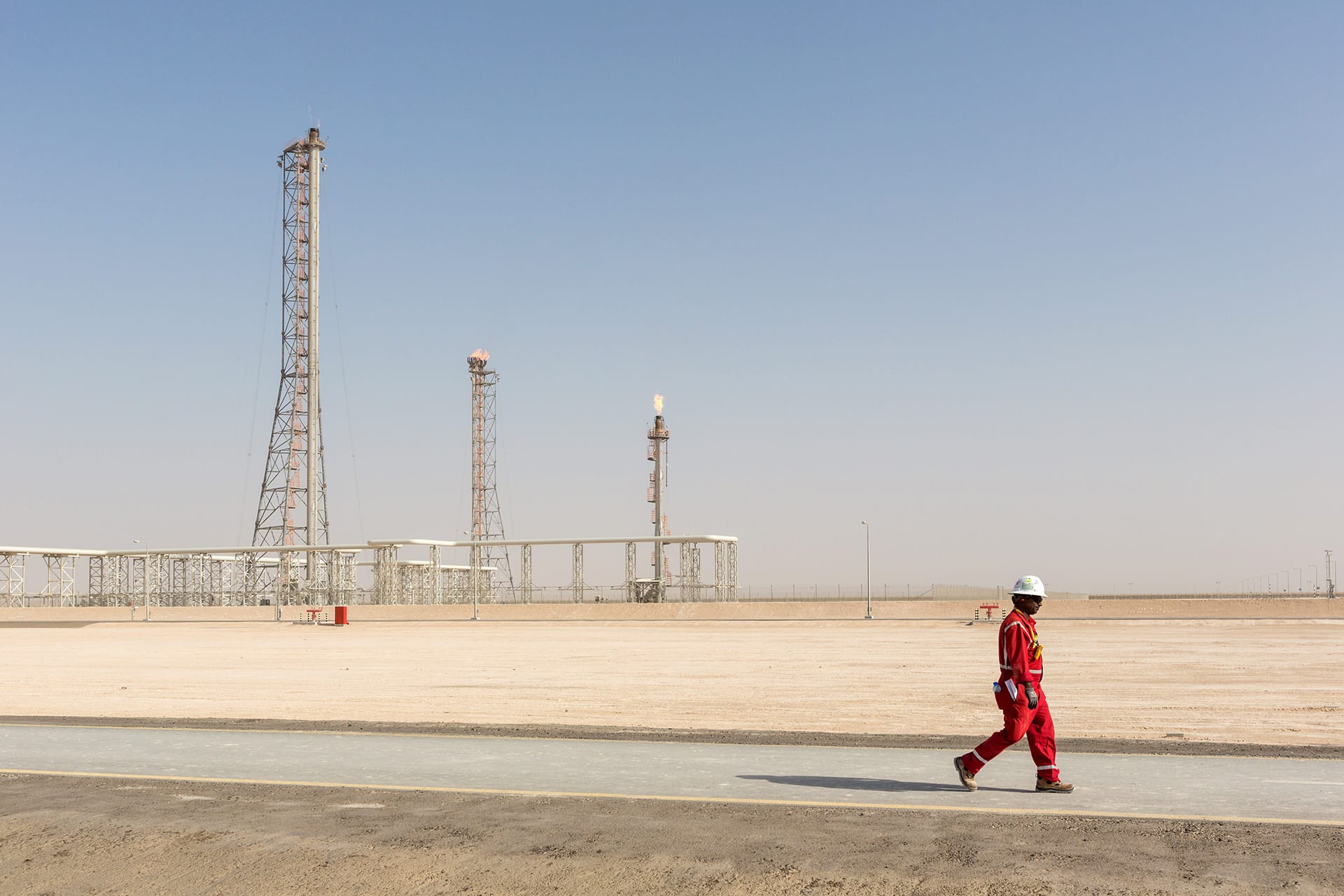
- Onshore fields and drilling operations — Wellheads, rigs, pipelines, and remote desert installations, including the logistics of reaching them.
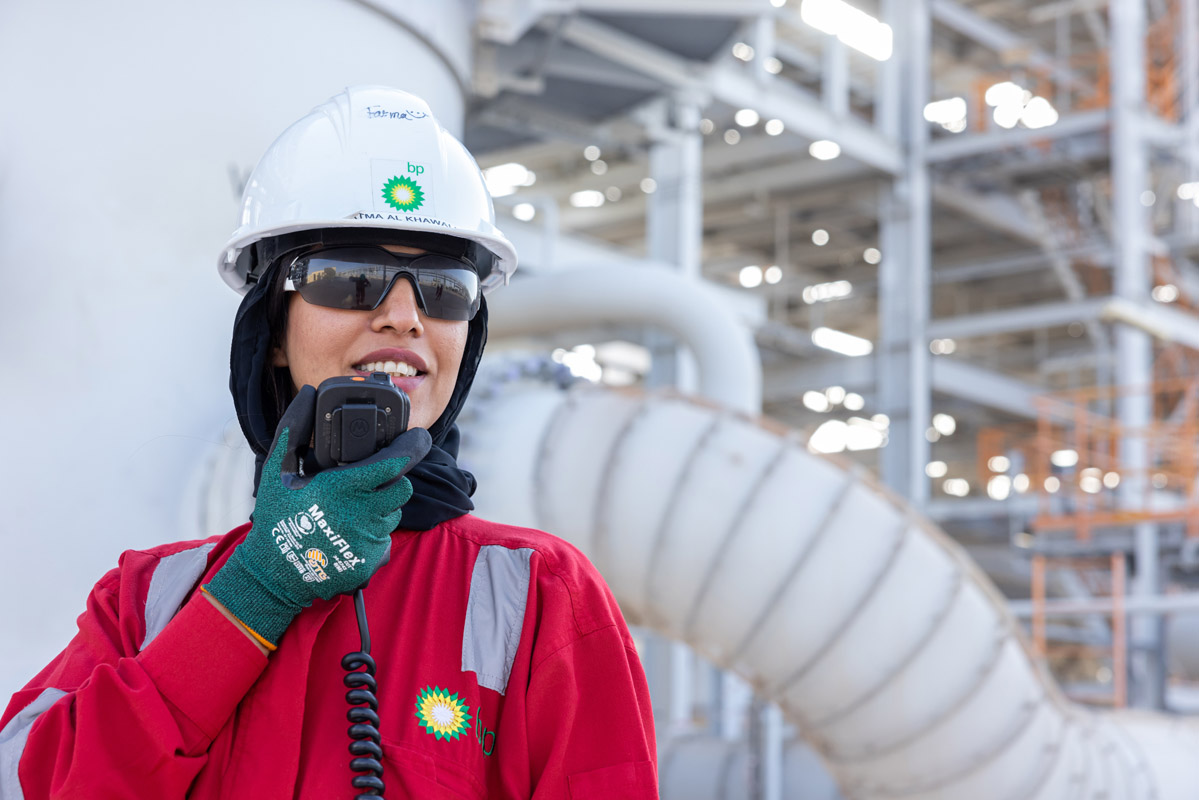
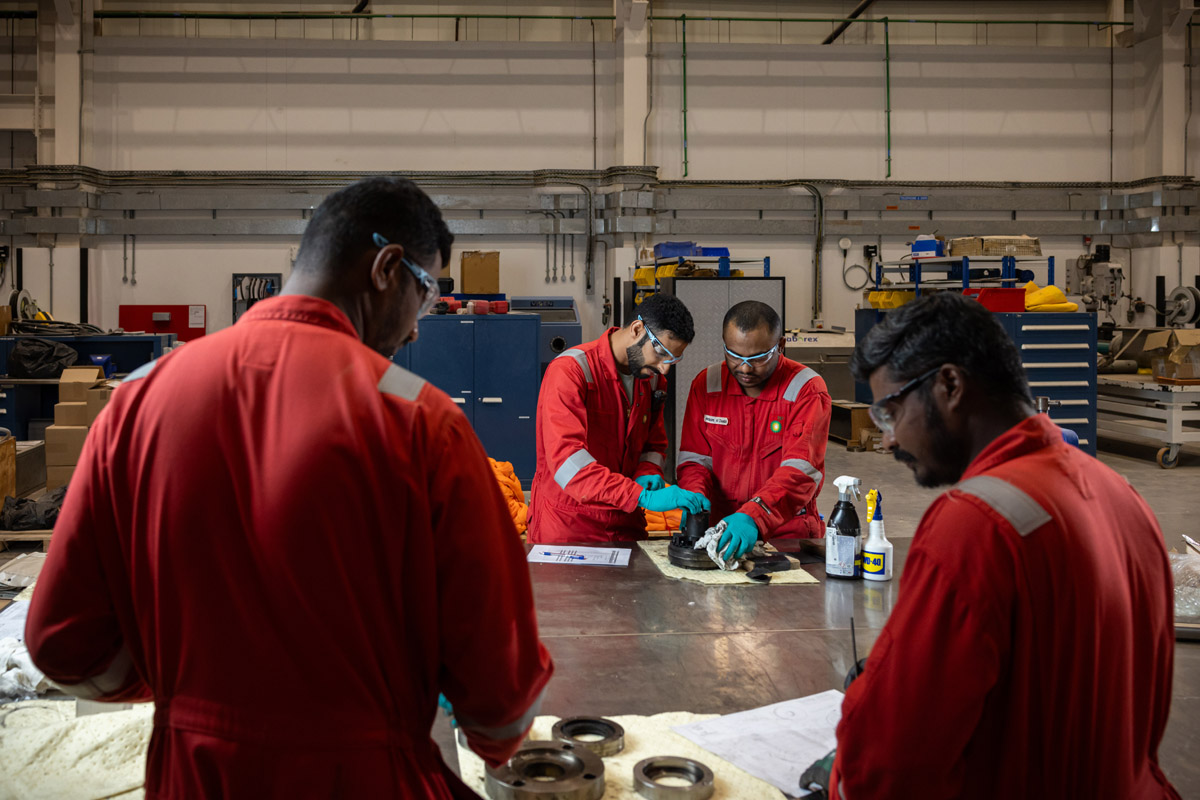
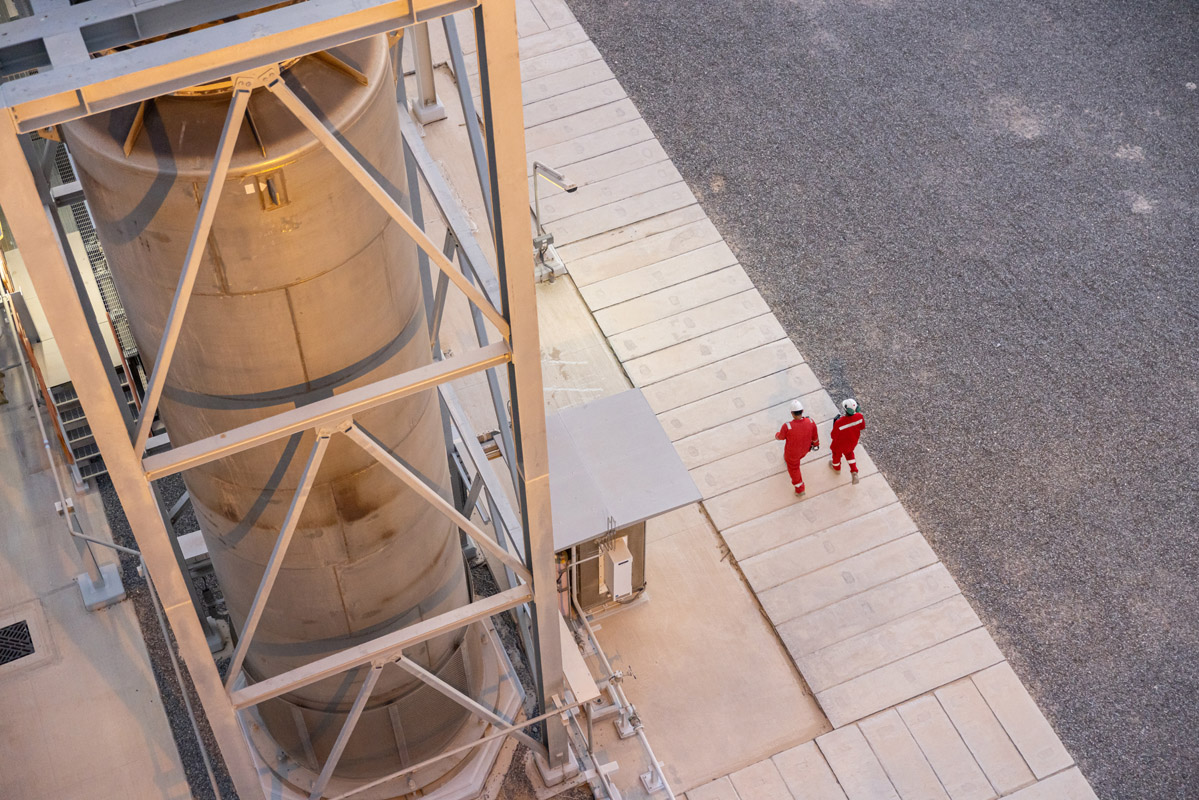
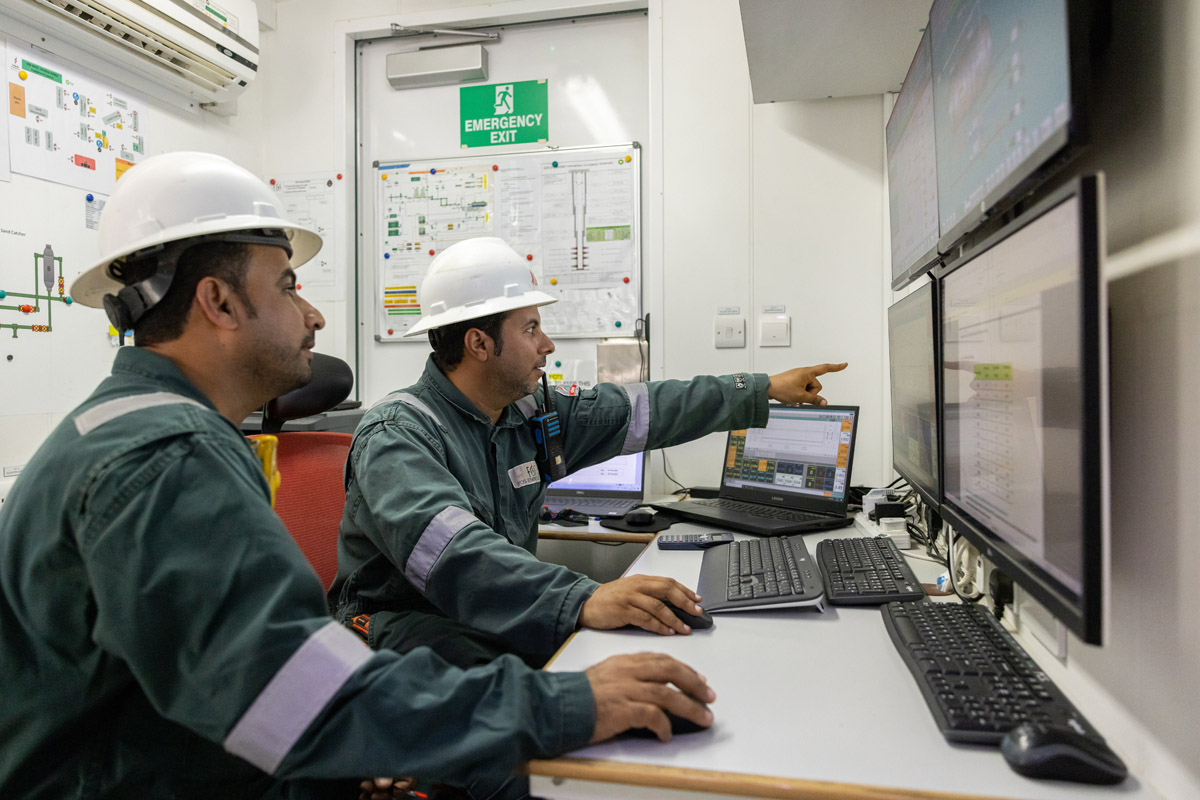
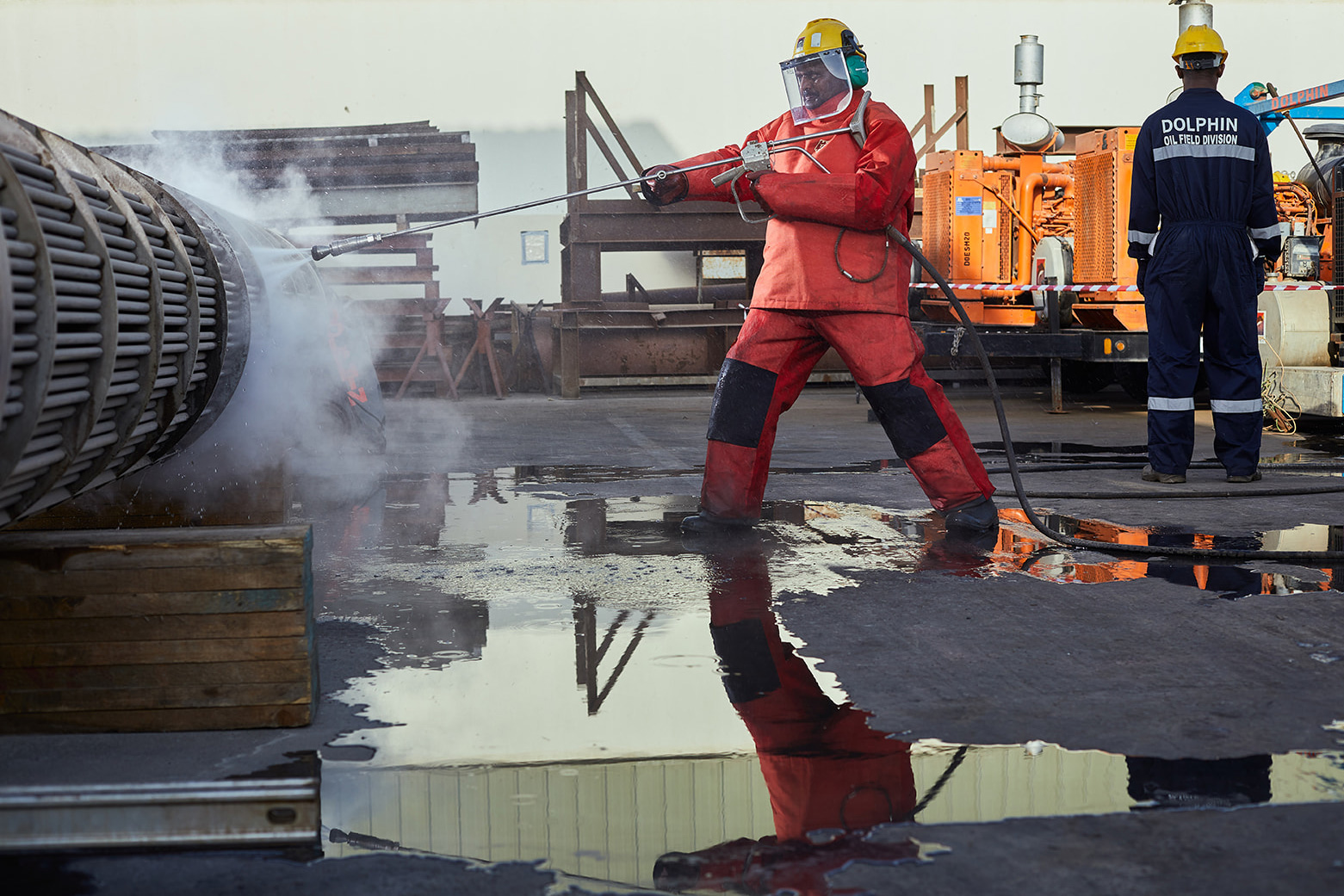
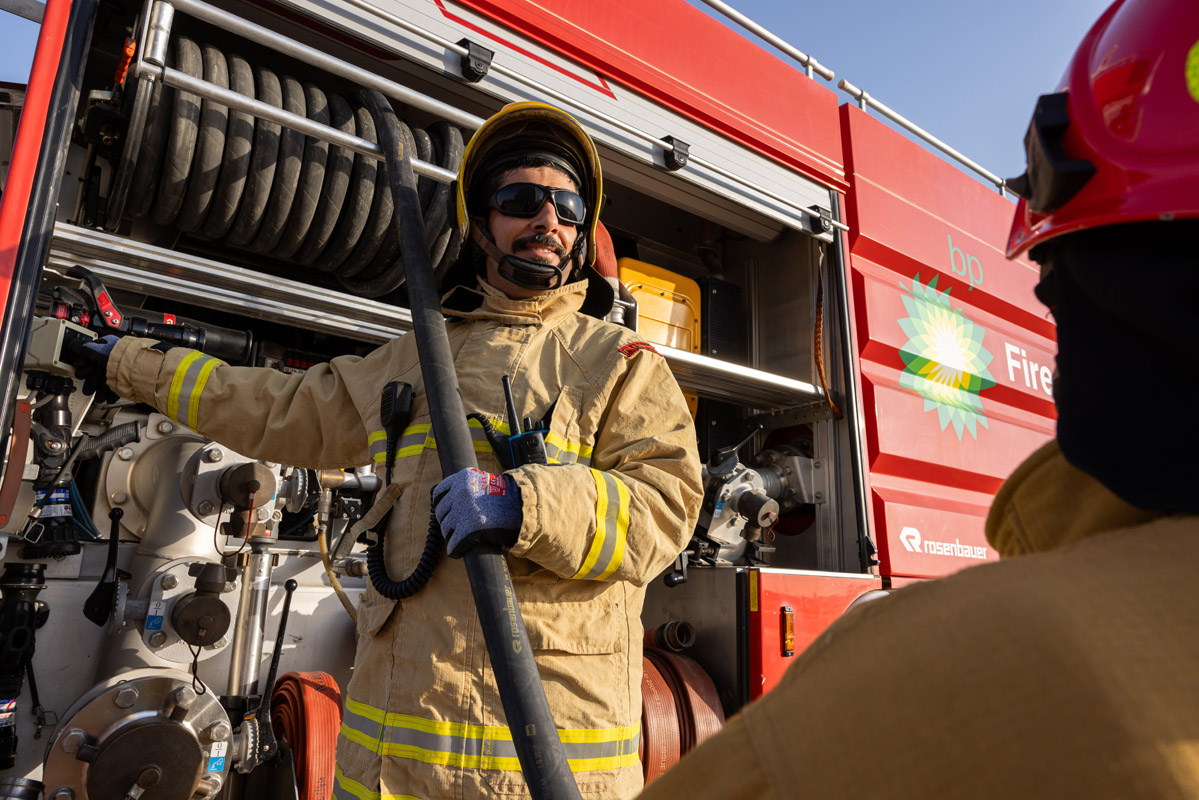
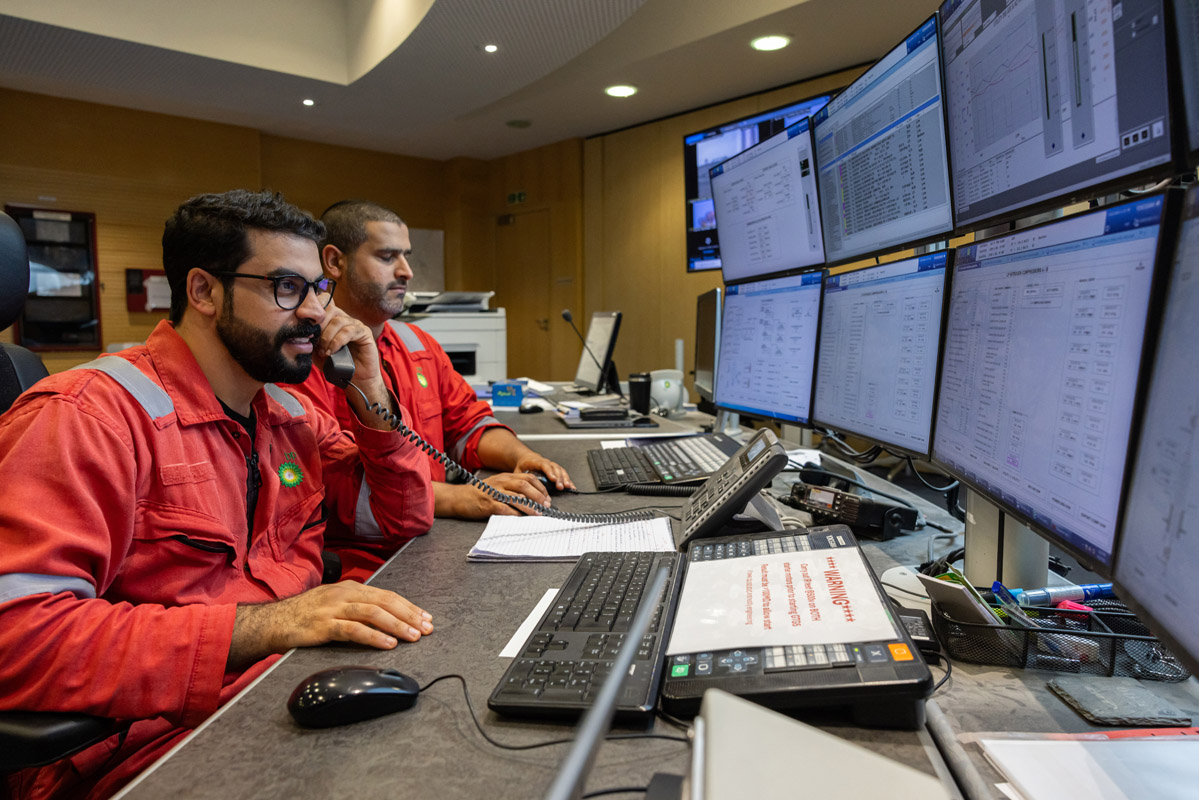
- Workforce and operational portraits — Crews at work in PPE, in situ. The human element that separates a facility photograph from a corporate asset.
- Aerial and drone coverage — Site-wide perspective where airspace permissions and operator approval allow. Restrictions around live hydrocarbon operations are treated as fixed constraints, not obstacles to negotiate on the day.
How does site work run?
- Clearances first. HSE induction, permit-to-work, site-specific safety briefing, and medical certification where the site requires it. This is arranged before mobilisation, not on arrival.
- Equipment appropriate to the environment. Intrinsically safe equipment where classified zones require it. Standard camera equipment is not permitted in many operational areas, and turning up without the right kit costs a shoot day.
- The operation is not paused. Coverage works around live operations. Production does not stop for photography, and any request that it should signals a photographer who has not worked these environments.
- Escort and access. Site work runs with an assigned escort throughout. Shot lists are agreed in advance so the escort’s time is used efficiently and approvals are secured before the day.
What are the images used for?
Energy sector imagery generally serves annual and sustainability reports, investor materials, tender and pre-qualification submissions, HSE and recruitment campaigns, and corporate websites and press distribution. Each of these has different requirements — orientation, negative space for copy, and the degree to which faces and identifiable equipment can be shown. Agreeing this before mobilisation is what makes the difference between a set of impressive photographs and a set of usable assets.
Related Work
- Industrial photography — manufacturing, logistics, and heavy industry beyond the energy sector.
- Offshore photography — operations at sea. BOSIET and STCW certified.
- Mining photography — extraction operations, plant, and mine sites.
- Construction photography — infrastructure and project progress documentation.
DISCUSS A PROJECT
Send the location, the access requirements, and what the images need to support.

Email: chris.viseux@gmail.com
Tel +971 56 11 66 894