
OFFSHORE
PHOTOGRAPHER
Platforms | Vessels | Offshore Wind | Marine Construction —
BOSIET & STCW BST certified
REFERENCES
Petrofac | bp | Shell | TotalEnergies | Dana Gas | Dolphin Group | General Petroleum
What certifications does offshore photography require?
Very few photographers can legally reach an offshore installation. Helicopter transfer requires BOSIET, including HUET escape training. Vessel-based work requires STCW Basic Safety Training. No operator will approve access without them, and no portfolio substitutes. Both are held and current. The result is a small global field. In most countries only a handful of photographers hold offshore accreditation, and almost all of them are concentrated around the North Sea. In the Gulf and the wider Middle East, the number is smaller still. Christophe Viseux has been working in the oil and gas industry for the past 10 years.
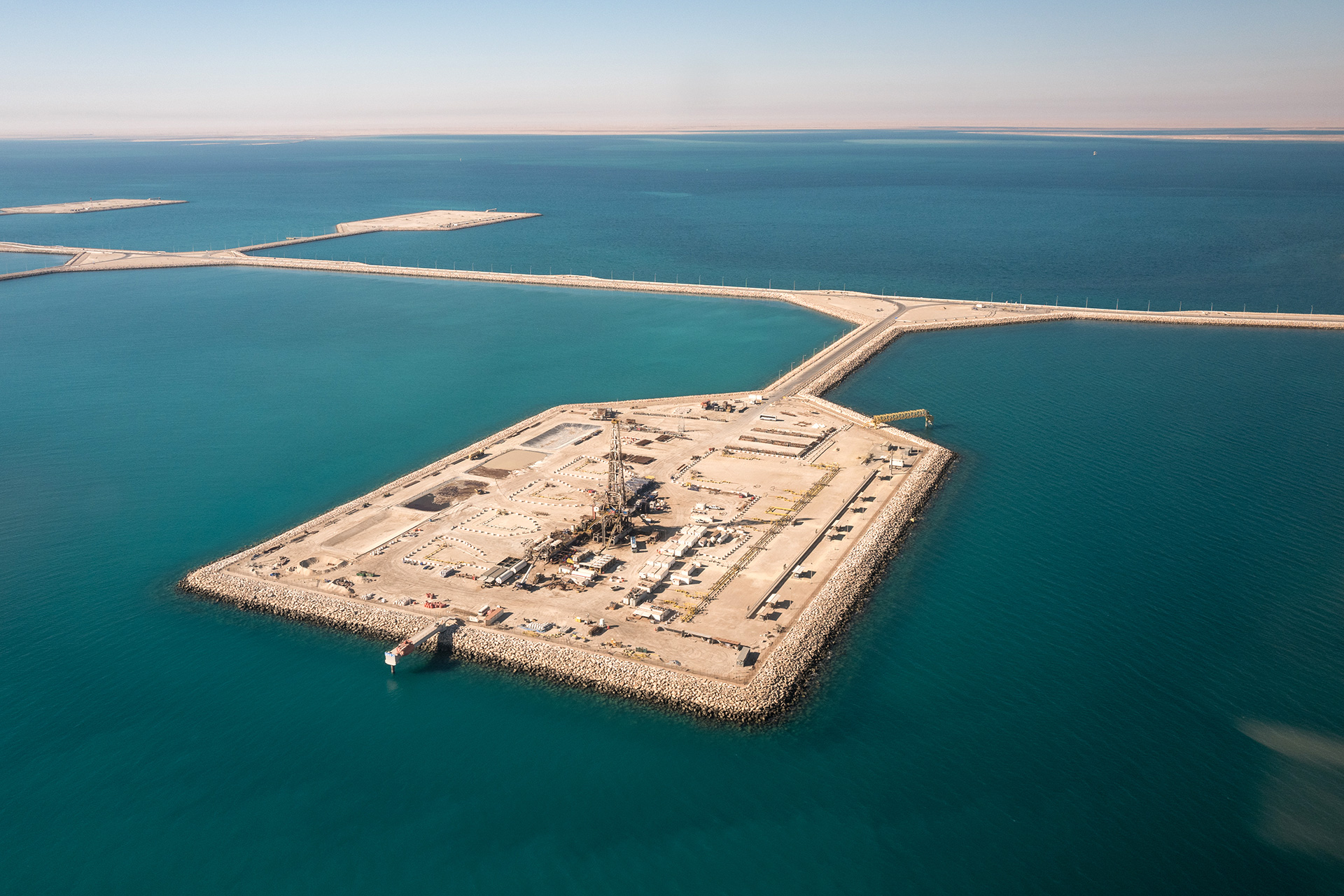
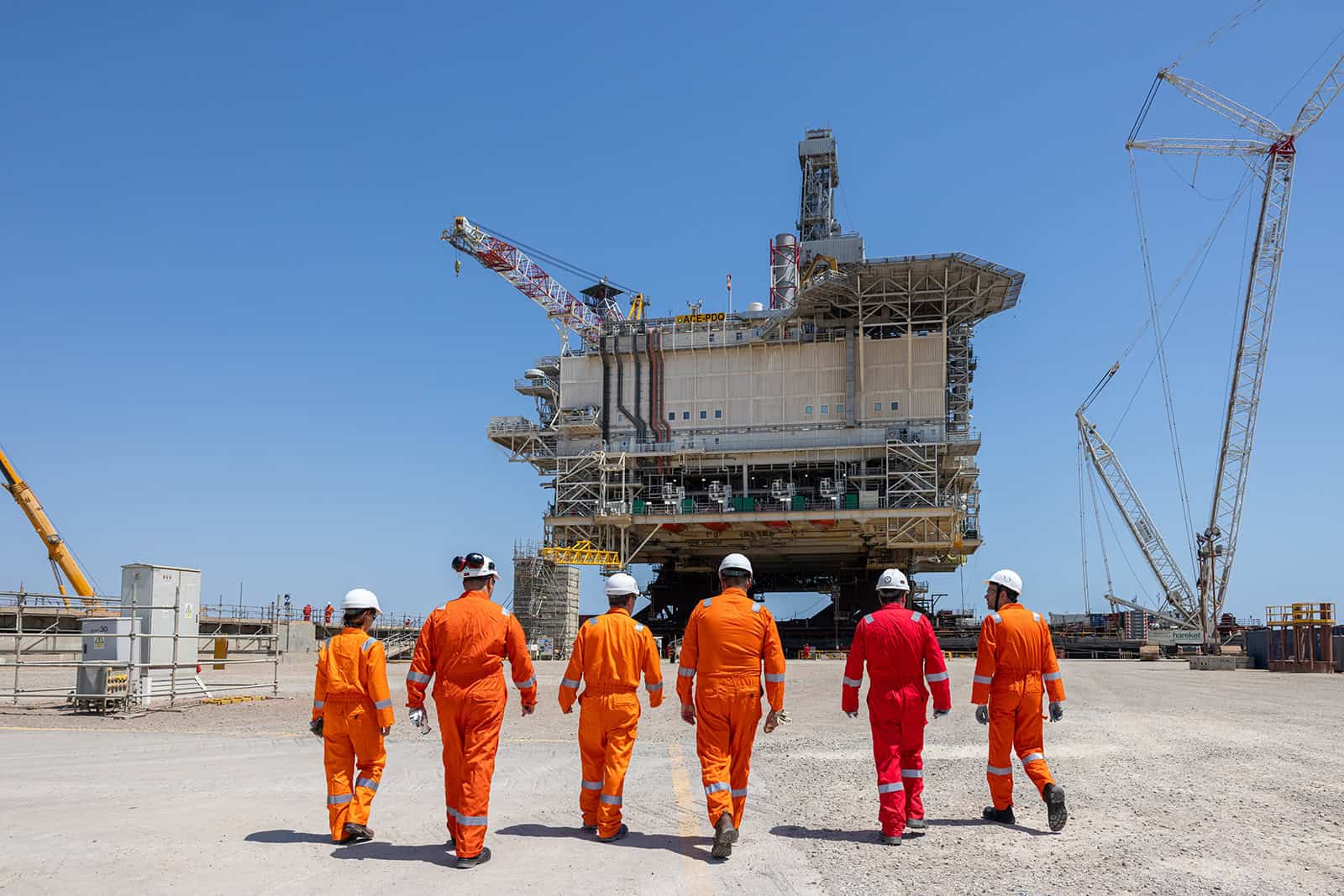
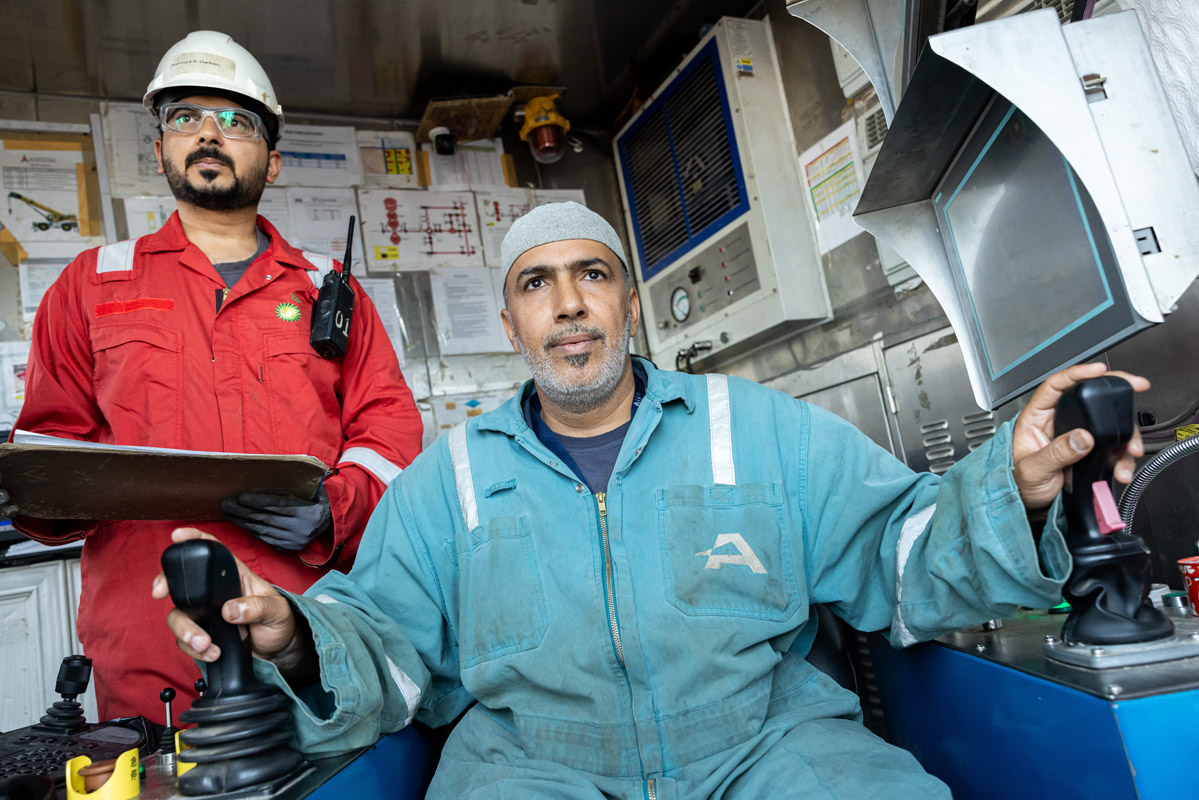
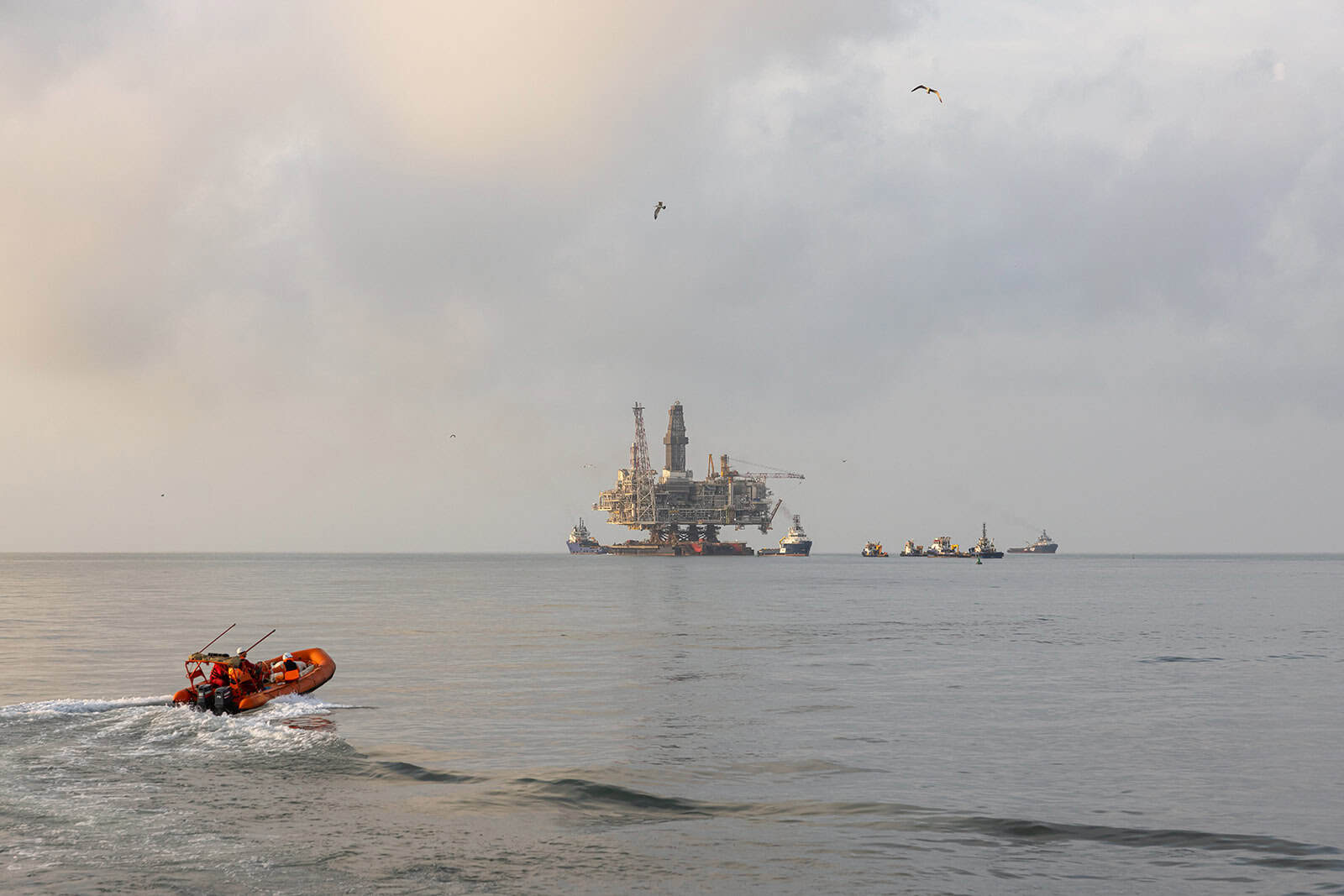
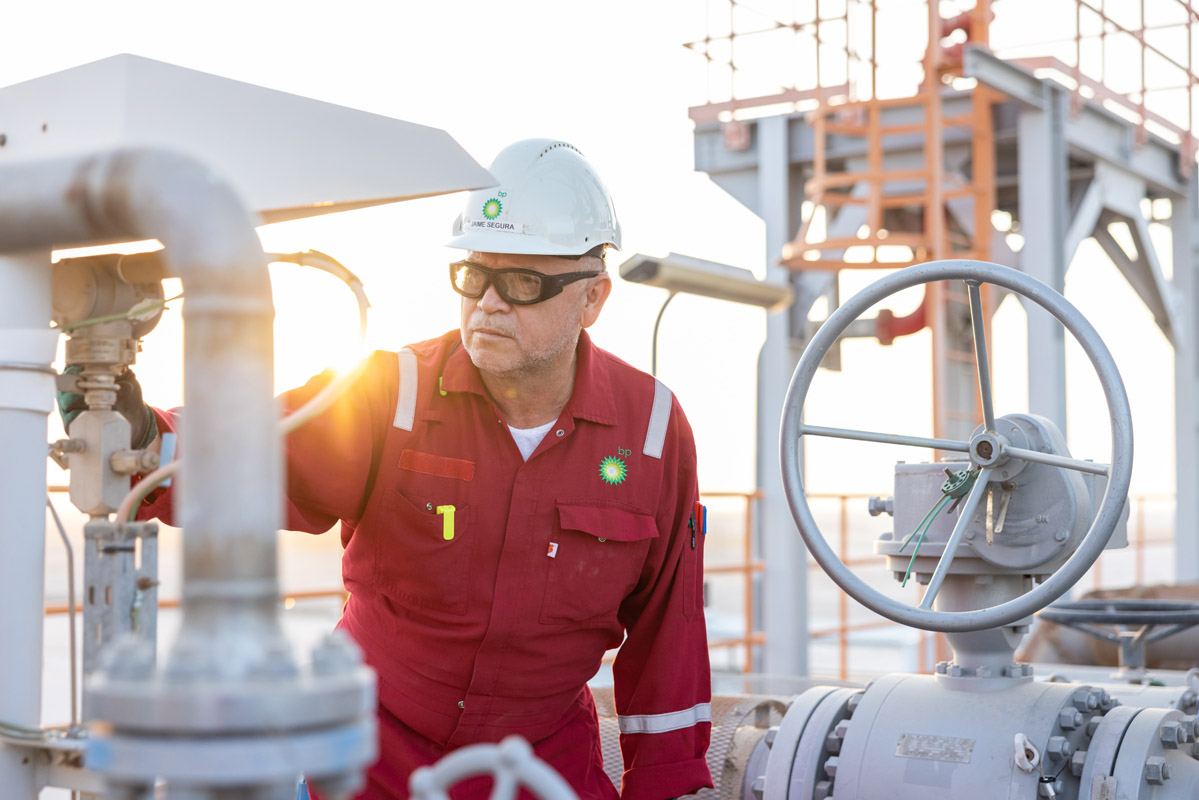
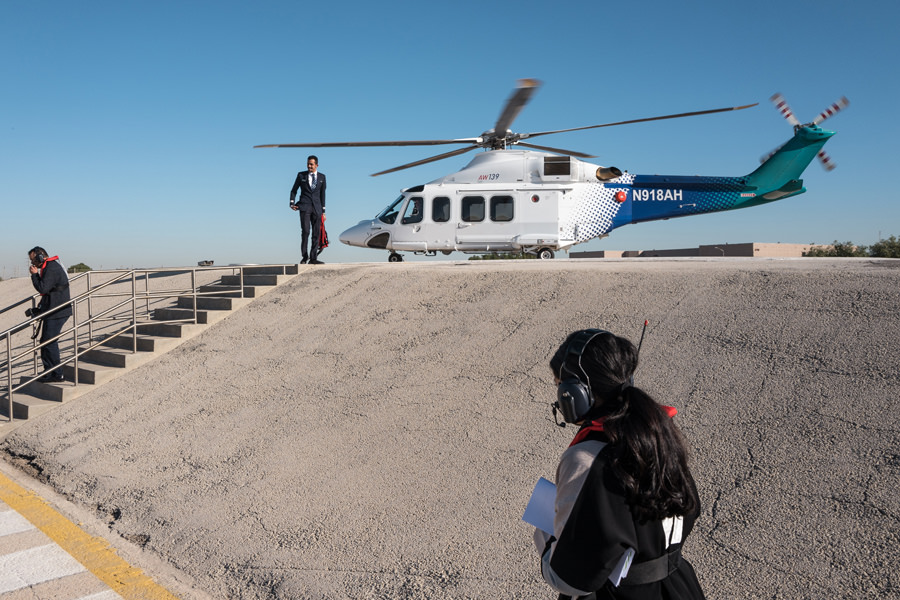
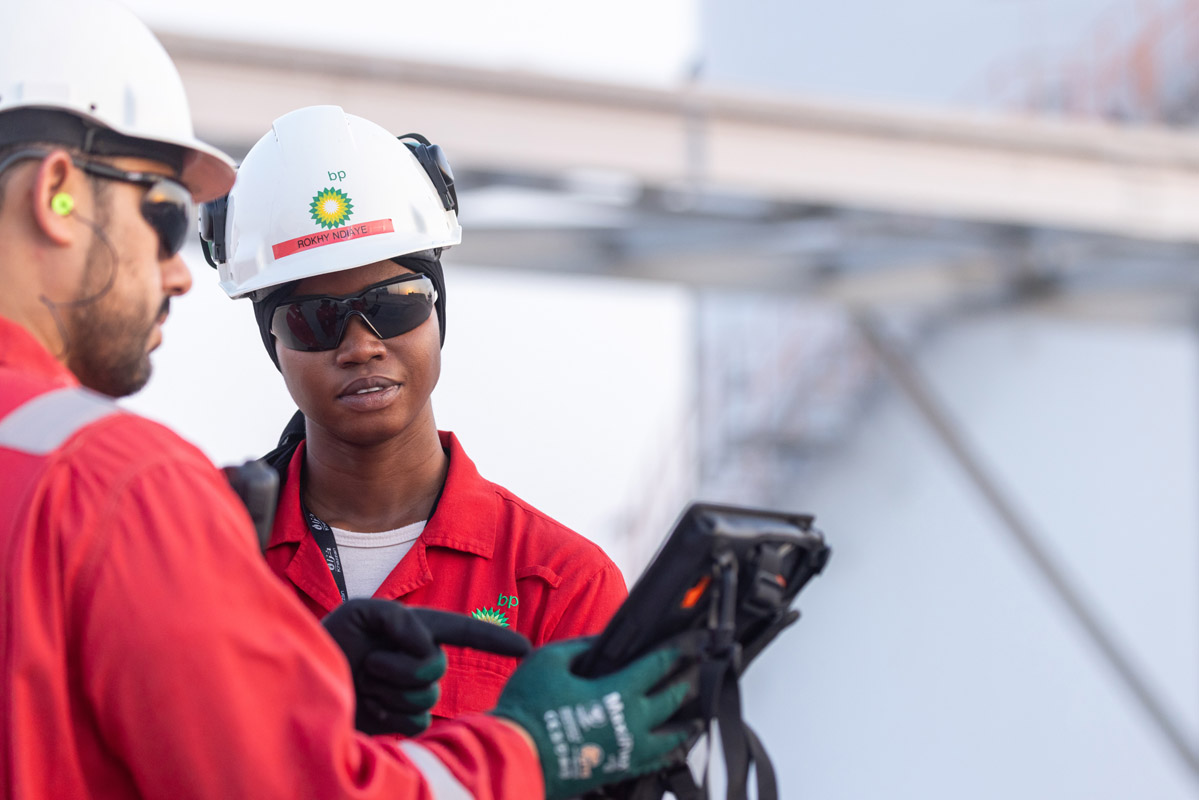
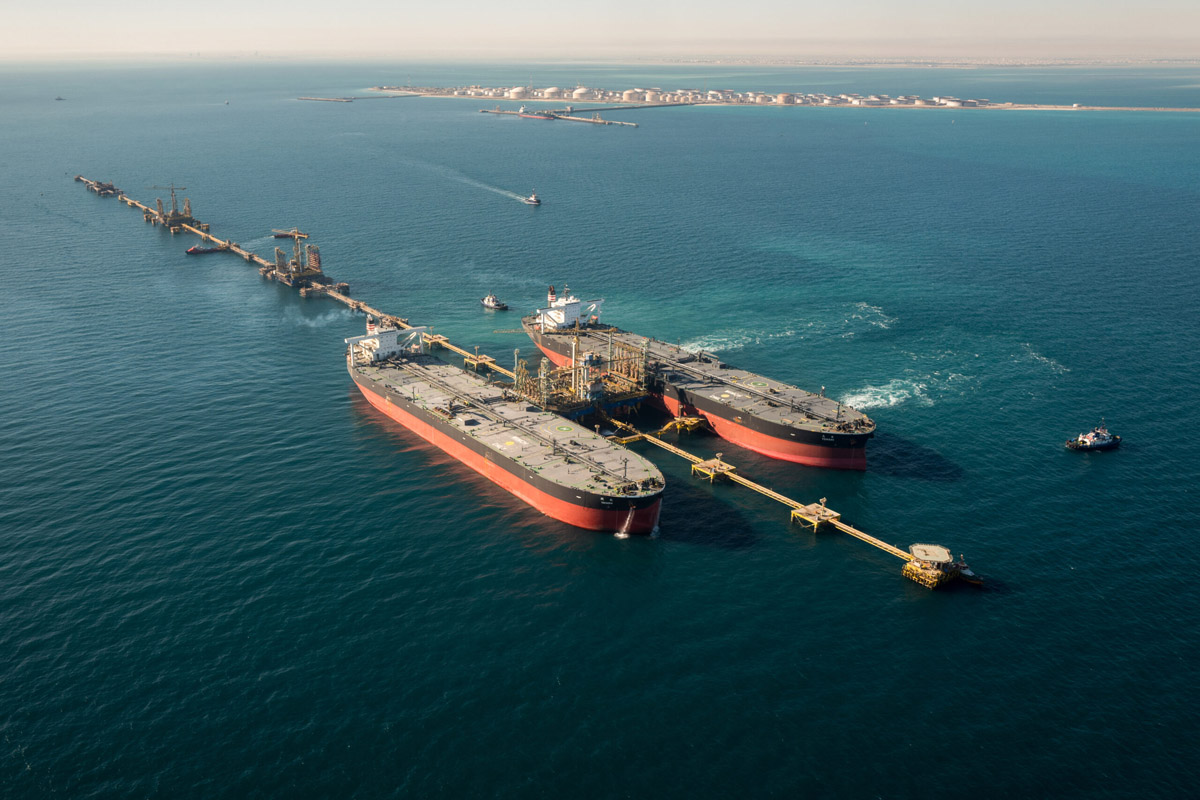
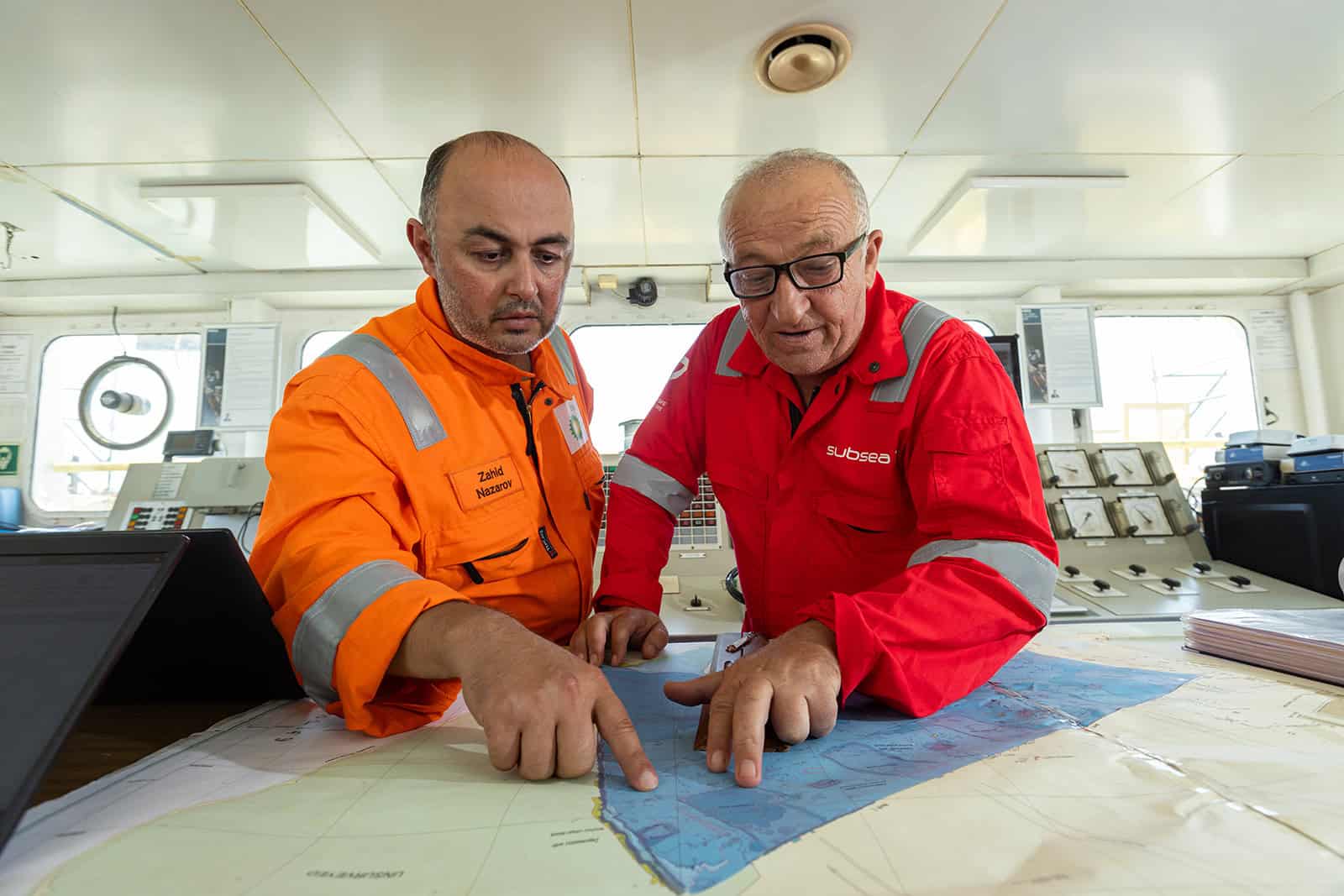
Working at Sea Is a Different Discipline
Offshore is defined by the environment, not the industry. What makes it distinct from any onshore assignment:
- Transfer is the first constraint. Helicopter weight limits dictate how much equipment travels. There is no returning to the car for a second body or a longer lens. Kit is decided before boarding and cannot change.
- The platform moves. Vessel and floating installation work means shooting from a surface in constant motion, frequently in wind and spray, where conventional stabilisation techniques do not apply.
- Salt destroys equipment. Marine air is corrosive. Bodies and lenses require protection during the assignment and servicing afterwards. This is an operating cost of offshore work, not an occasional inconvenience.
- Access is escorted and time-boxed. Permit-to-work systems, muster drills, and restricted zones govern where and when photography can happen. A shot list agreed in advance is what makes a limited window productive.
- Weather decides the schedule. Helicopter flights are cancelled on sea state and visibility. Offshore assignments are planned with contingency days built in, because the alternative is an aborted mobilisation.
Sectors Covered Offshore
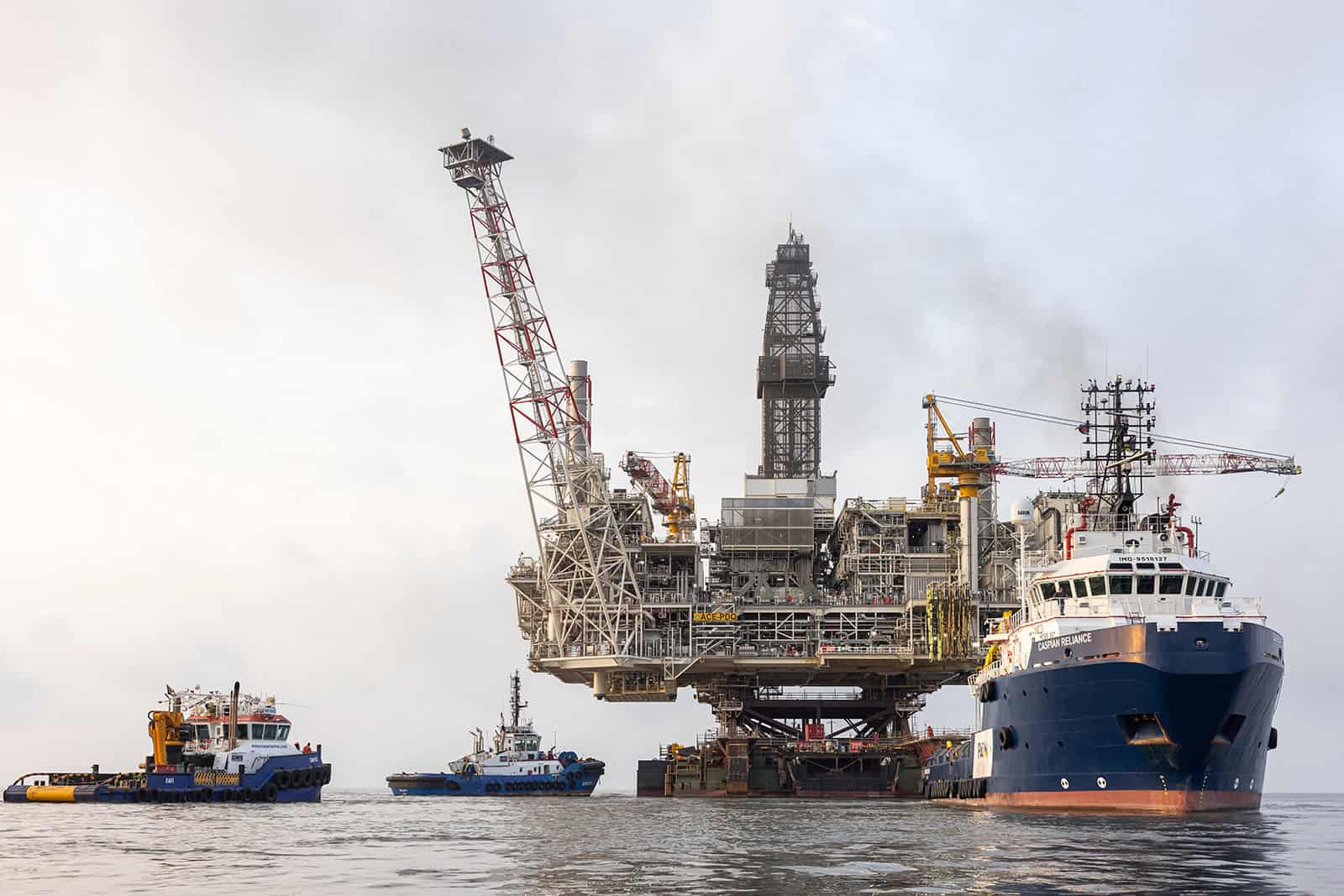
- Oil and gas installations — Production platforms, drilling rigs, jack-ups, FPSOs, and offshore support vessels.
- Offshore wind — Turbine installations, foundations, cable-lay operations, and crew transfer vessels. A growing sector globally with very few accredited photographers available to cover it.
- Marine construction and survey — Heavy lift operations, subsea support, dredging, and survey vessels.
- Ports and marine terminals — LNG terminals, loading facilities, and harbour infrastructure.
Onshore Energy Work
Refineries, processing plants, wellheads, pipelines, and onshore field operations are covered on the oil and gas photography page. This page covers assignments at sea specifically.
DISCUSS AN OFFSHORE ASSIGNMENT
Send the installation or vessel, the transfer arrangements, and the approval process on your side.

Email: chris.viseux@gmail.com
Tel +971 56 11 66 894